
AI Receptionist Implementation Readiness Guide for Service Businesses
The call scope, approved answers, booking rules, human handoffs and test evidence to prepare before switching on an AI receptionist.

CPA Client Intake Systems: An Implementation Guide for Firms
A practical guide for accounting and tax firms that need cleaner prospect qualification, document requests, ownership, scheduling, and follow-up without weakening professional boundaries.

Seven Client Intake Metrics an Established Firm Should Actually Track
Lead counts show that attention arrived. Intake metrics show whether the firm responded usefully, recognized fit, protected professional time, and completed the next step.
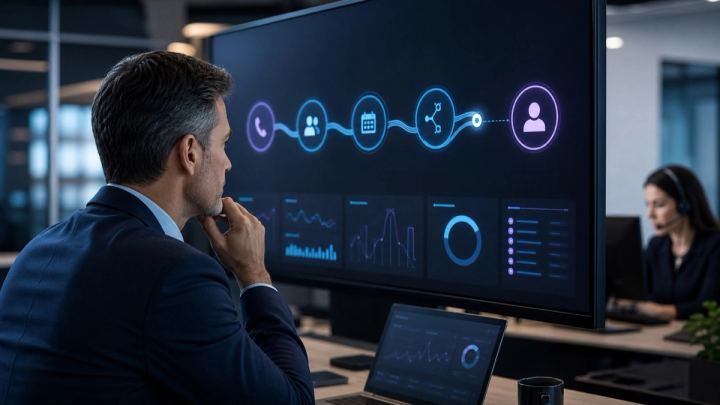
What Should an AI Receptionist Actually Be Responsible For?
The useful question is not whether AI can answer a call. It is which customer job the agent can own reliably, where it must stop, and how a person takes control.

Accounting Firm Close-Week Inquiries: Protect Focus Without Silence
A practical guide to protecting month-end focus while giving clients and prospective clients a useful acknowledgement, clear owner, and truthful next step.

Bookkeeping Client Onboarding System: An Owned First Month
A practical guide to turning a signed engagement into a clear first month with visible ownership, access, information requests, exceptions, and client expectations.

CPA Firm Client Intake System: From First Inquiry to the Right Next Step
A practical guide to qualifying prospective clients, protecting professional judgment, and giving every viable inquiry a clear, accountable next step.

Tax Document Collection Workflow: Request, Receive, Confirm, and Follow Up
A practical operating guide for requesting sensitive records, confirming receipt, finding missing information, and keeping reminder ownership visible.
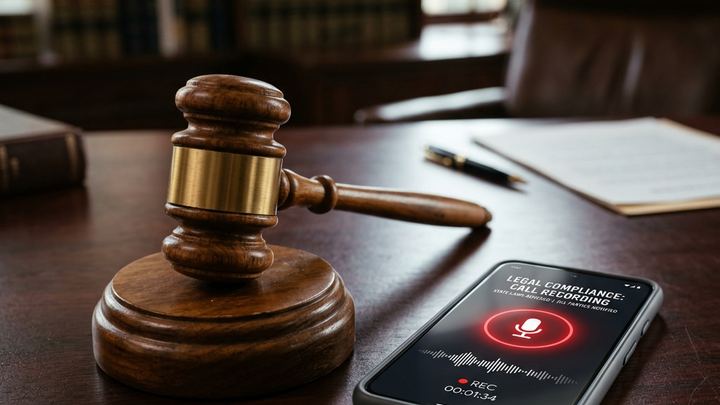
Every State Has Different Call Recording Laws. Here's What Service Business Owners Need to Know.
Law Firm field guide: Every State Has Different Call Recording Laws. Here's What Service Business reviewed through response speed, booking friction, CRM

Delegate Customer Intake Without Losing Control
A practical handoff playbook for turning owner judgment into clear intake rules, decision rights, escalation paths, and measurable customer care.

What Should an AI Receptionist Collect? An Intake Data Guide
A practical guide to the minimum useful record, safer question design, human handoffs, and clean customer context for service businesses.

Can Your Service Business Run One Day Without You? An Owner-Independence Test
Test whether calls, booking, follow-up, scheduling, exceptions, and decision rights can operate for one predictable day without the owner.
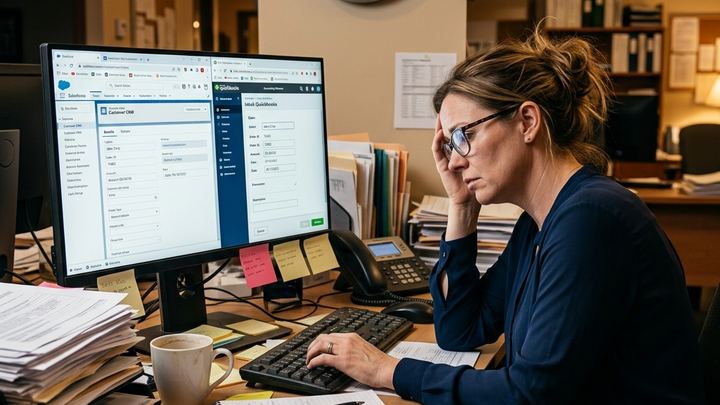
Is Your CRM Actually Slow? Audit the Workflow Before Replacing It
Find whether duplicate entry, missing ownership, weak status rules, or poor handoffs are slowing intake and follow-up before you replace the CRM.

Veterinary After-Hours Intake: An Emergency Routing Guide
A practical guide for veterinary practices that need a clear, professionally governed path for after-hours calls, emergency referrals, next-day requests, records, and follow-up.
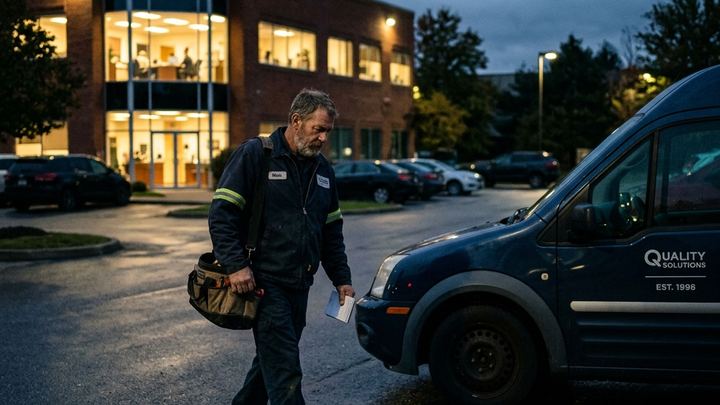
The Technician Who Left Because He Was Embarrassed By the Office
Why technicians leave disorganized offices, and how cleaner intake, scheduling, customer communication, and CRM ownership protect retention.
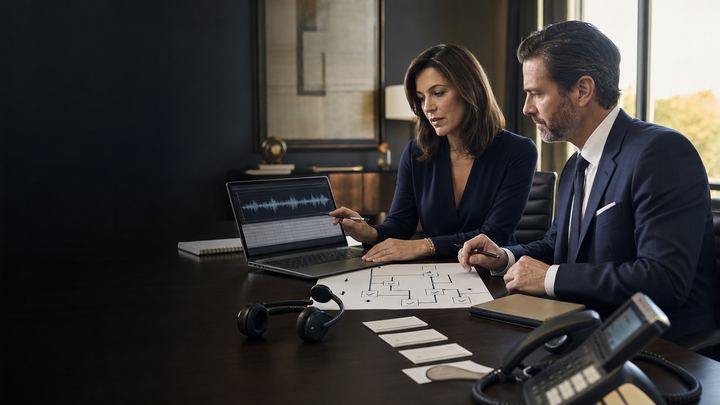
Seven After-Hours Calls: The Story and the Follow-Up Math
Historical after-hours call accounts, clearly separated from an illustrative revenue model, with a practical method for checking your own follow-up gaps.

Reducing Owner Dependency: A Phoenix Plumbing Business Before Sale
A historical Phoenix plumbing engagement, its reported sale outcome and a checklist for making intake, estimates and follow-up less dependent on the owner.
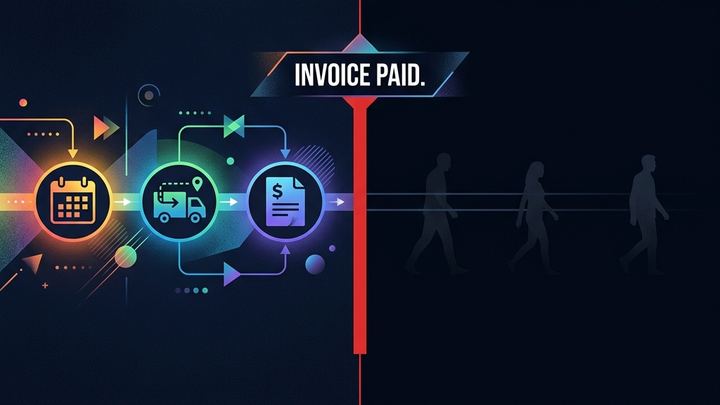
Your Scheduling Software Books the Job. But Who's Managing the Customer?
Scheduling software books the job, but service businesses still need AI follow-up, CRM ownership, review automation, and retention workflows.

What Does a Missed Call Cost? A Service Business Calculation
Use qualified inquiries, realistic conversion assumptions and contribution margin to estimate what better call handling could be worth.

What Is a Revenue Leak Diagnostic? The 15-Minute Diagnostic That Reveals Your Service Business Revenue Gap
A Revenue Leak Diagnostic is a structured 15-minute diagnostic that calculates the exact dollar value of revenue a service business is losing at the point of first contact, before a single dollar of marketing is changed.

Restoration Emergency Call Intake: A Dispatch Handoff Guide
A practical guide for restoration companies that need to turn an urgent water-loss call into a clear, time-stamped incident brief without letting automation make safety or dispatch decisions.
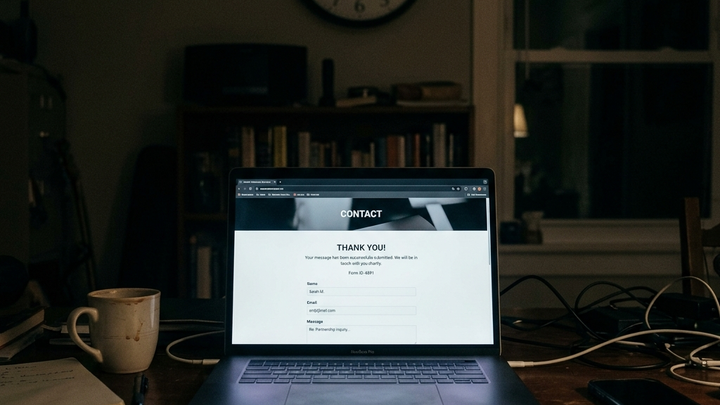
Website Leads Not Converting? Audit the Form-to-First-Response Gap
A practical audit for service businesses and professional firms whose website receives inquiries but too few become useful conversations, appointments, or qualified next steps.

AI Receptionist vs. Hiring a Receptionist: Person, System, or Hybrid?
A practical way to compare the work, complete cost, coverage, customer experience, exceptions, and operating responsibility behind a person, an AI intake system, or both.

Med Spa Booking Gap: Why Good Clients Stop Returning
Med spas do not usually lose clients to bad experiences. They lose them to time. A booking gap of 4 to 6 months with no outreach is enough to send a returning client to a competitor who shows up first.

Dental Patient Reactivation: Recall Workflow, Cost, and Measurement
A practical guide to overdue-patient lists, contact preferences, privacy safeguards, reply handling, booking, custom-system scope, and evidence a dental practice can measure.

AI Receptionist ROI: Build a Defensible Business Case From Your Own Data
A practical framework for measuring baseline performance, contribution margin, total cost, attribution, uncertainty, and the first 30 to 90 days of an AI receptionist pilot.
Website Ranks but Buyers Still Leave? Audit Trust and Authority Signals
A practical audit for established firms whose website earns visibility but does not yet make the business easy for people, search engines, and AI systems to understand and trust.

AI Intake for Toronto Law Firms: An Ontario Readiness Guide
A practical Ontario-focused guide to prospective-client intake, confidentiality, privacy, conflict gates, human handoffs, and responsible AI system evaluation.
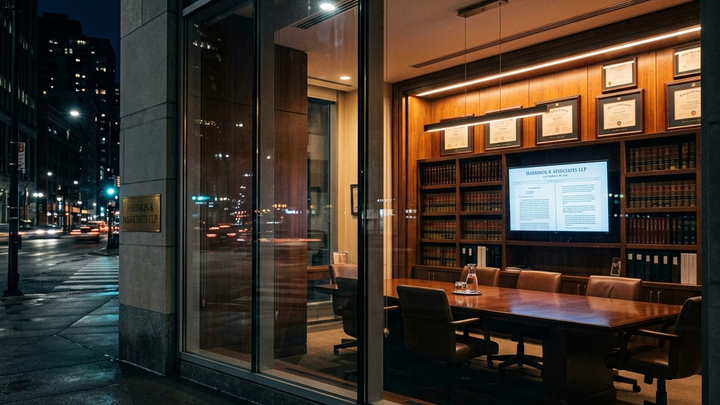
AI for U.S. Law Firms: A Buyer’s Guide to Intake Systems
A practical framework for comparing law-firm AI intake systems, defining professional boundaries, testing failures, and choosing a responsible implementation path.

AI Receptionist for Toronto and the GTA: Local Implementation Guide
A practical Ontario guide to service-area rules, accessible customer service, privacy, messaging, multilingual intake, staff handoffs, and a controlled local launch.
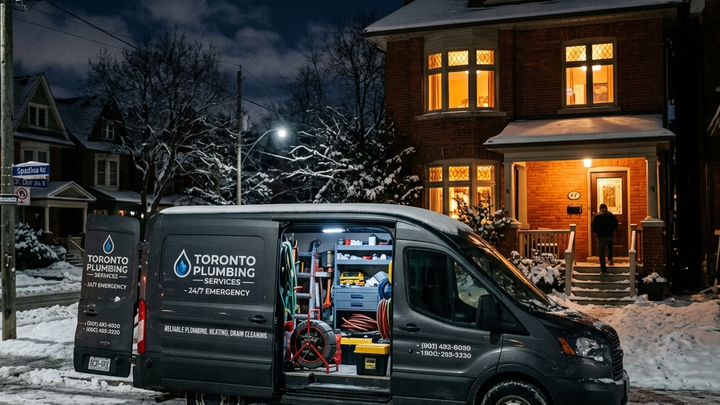
AI for Plumbers in Toronto and the GTA: More Emergency Calls Captured, More Jobs Protected (2026)
Plumbing is one of the most demand-driven trades businesses in the GTA. When someone's basement is flooding at 9 PM or a pipe bursts on a February weekend, they call the first plumber that answers. Not the best one. The one that picks up. This guide covers how Toronto and GTA plumbing companies are using AI to answer every call, capture every emergency, follow up on every estimate, and build the review profile that earns repeat and referral business.

AI for Roofing Companies in the United States: Protect More Storm Season Revenue (2026)
Roofing is one of the highest-revenue-per-job trades businesses in America and one of the worst at capturing and converting its own leads. Storm season generates a flood of inbound calls that most roofing companies cannot handle at peak volume. The result is tens of thousands of dollars in missed estimates every week during the weeks that matter most. This guide covers what an AI operating system does for US roofing companies and what the recovery math looks like.

AI Intake for Personal Injury Law Firms in the United States
A practical guide to approved intake, consent, booking, human review, and accountable AI use for United States personal injury law firms.

AI Receptionist for U.S. Service Businesses: Multi-State Deployment Guide
A practical guide to state applicability, customer data, inbound and outbound boundaries, vendor terms, multi-location routing, controlled pilots, and evidence-based expansion.

AI Operating Systems for Brampton and Mississauga Businesses (2026)
Brampton and Mississauga have some of the highest concentrations of independent service businesses in Canada. Most of them are competing without the operational infrastructure that their larger competitors have. This guide covers how AI operating systems level the playing field for Peel Region businesses.
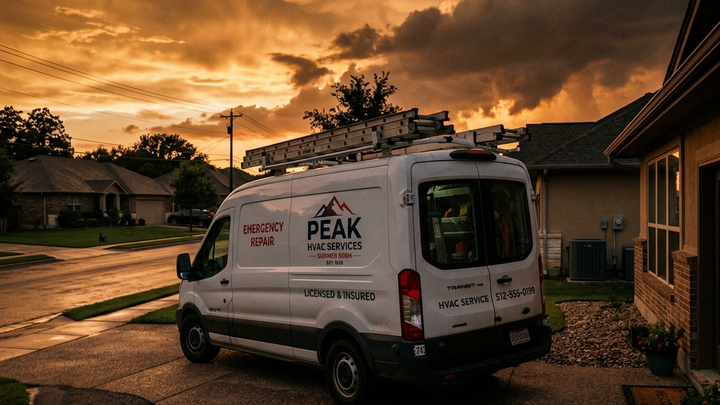
AI for HVAC Companies in the United States: The Full Operating System (2026)
HVAC is one of the highest-stakes businesses in America for missed calls and slow follow-up. A residential HVAC company in Texas or Florida can lose $40,000 to $120,000 per year in missed peak-season revenue from calls that went to voicemail. This guide covers exactly how US HVAC companies are using AI operating systems to recover that revenue and what the full stack looks like in practice.
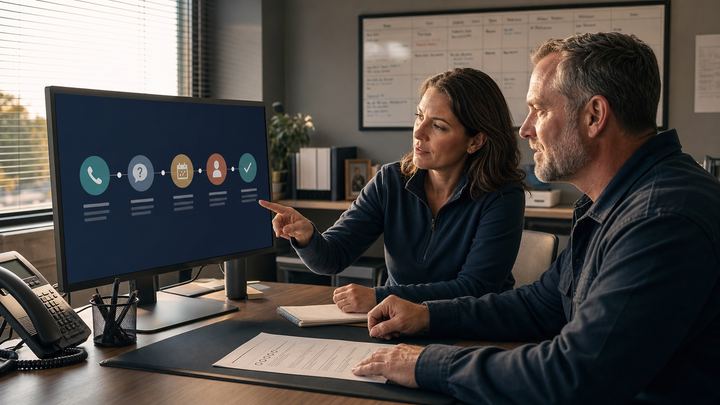
AI Receptionist Rollout Guide for Service Businesses
A practical operating guide to choosing the first call path, preparing staff, testing real handoffs, and deciding whether an AI receptionist is ready to handle more customer conversations.

What a $497/Month Business Platform Includes, and What It Does Not
A practical buyer guide to platform access, launch configuration, usage charges, team-owned software, and the point where a custom system becomes a separate engagement.
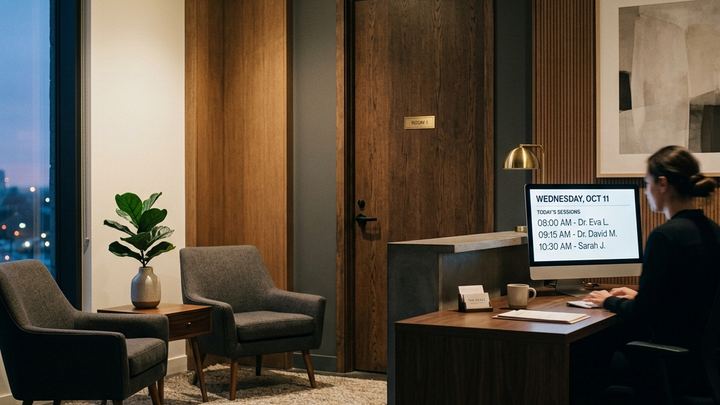
The AI-Powered Business Operating System for Mental Health and Therapy Practices: A Full-Stack Breakdown
Mental health practices face a paradox that almost no other healthcare category deals with. The demand for their services has never been higher. Waitlists stretch weeks or months. And yet, practices are quietly losing patients they already had, to slow intake, no-shows, and scheduling gaps that go unfilled. Here is how the AI Business OS applies to therapy practices without compromising the trust and privacy that make the work possible.
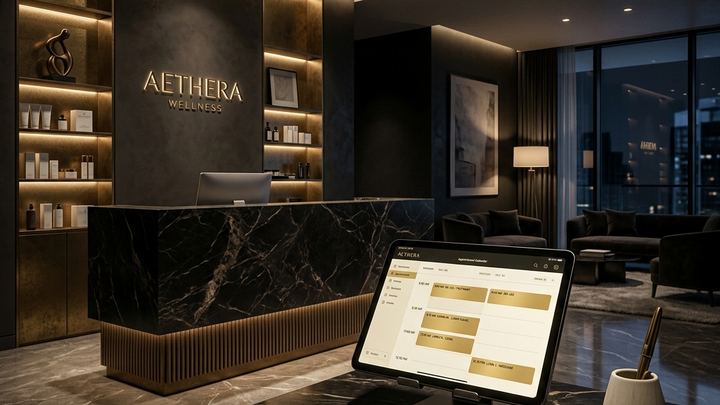
Med Spa Intake System: What to Automate and What Needs a Human
A buyer's guide to faster inquiry response, safer intake, better consultation booking, and clear boundaries between software and people.
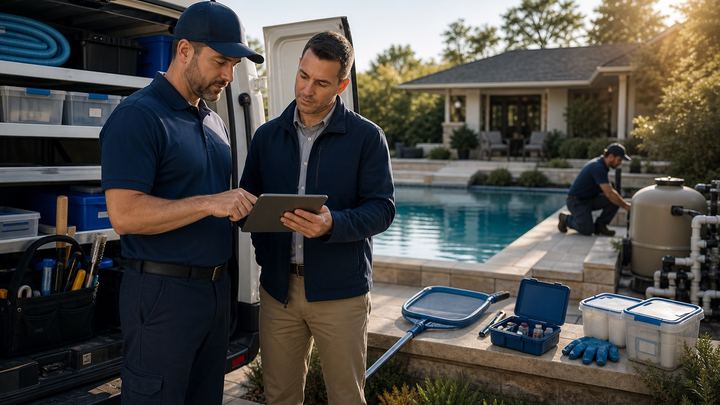
Pool Service Business Operating System: Routes, Exceptions, and Trust
A practical guide to connecting a pool company's website, quote intake, recurring routes, property access, technician handoffs, exception recovery, repairs, reviews, and accountable records.

Law Firm AI Intake System: Triage, Follow-Up, and Human Handoffs
A practical guide to structuring prospective-client intake, protecting professional judgment, and keeping urgent or viable inquiries from disappearing between channels.

AI for Dental Practices in the United States: Buyer and Governance Guide
A practical framework for choosing an administrative AI use case, reviewing privacy and vendor controls, proving integrations, and launching without surrendering clinical judgment.
AI for Dental Practices in Toronto and the GTA: Local Implementation Guide
A practical Ontario guide to administrative AI, PHIPA-aware data handling, patient communication, CDCP questions, multilingual intake, software handoffs, and a controlled first launch.

AI for Chiropractic Practices in the United States: Improve Scheduling and Patient Retention (2026)
Chiropractic practices in the United States face two revenue problems that compound each other. New patients arrive in acute pain, improve after three to five adjustments, and stop booking when the sharpest pain fades. At the same time, personal injury and auto accident patients, who represent the highest-value cases in any chiropractic practice, require specific intake handling that most practices manage manually and slowly. This guide covers how US chiropractic practices are using AI to retain more patients, capture more PI cases, and build the review presence that drives organic new patient growth.

Contractor Business Operating System: Inquiry, Estimates, and Project Handoffs
A practical guide to connecting a contractor's website, project qualification, consultations, estimates, customer decisions, production handoffs, reviews, and accountable records.
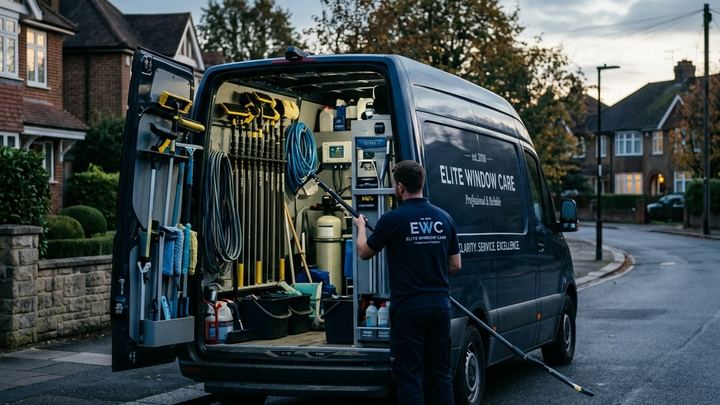
The AI Business Operating System for Window Cleaning Companies
Window cleaning is one of the most seasonal businesses in home services. Six weeks of spring generates more revenue than the rest of the year combined. The AI Business OS helps window cleaning companies answer every call during surge periods, rebook one-time clients automatically, and build Google review authority that keeps the phone ringing.
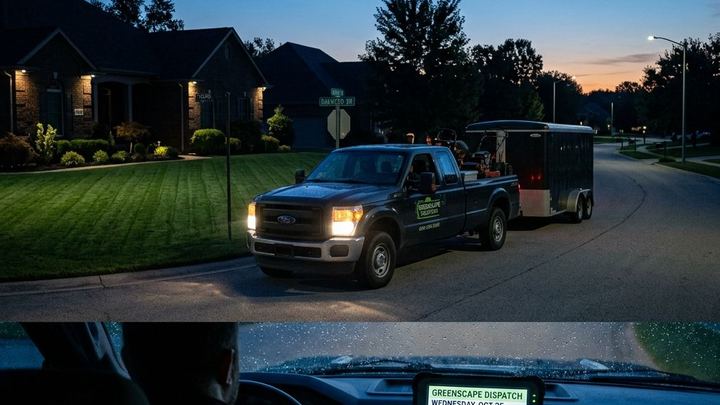
The AI-Powered Business Operating System for Landscaping and Lawn Care Companies: A Full-Stack Breakdown
Lawn care is a recurring revenue business - but most companies treat every season like they are starting from scratch. The operators building real equity are the ones retaining 90% of their clients year over year, filling their spring routes in January, and generating reviews in October when no one else is asking.

Painting Company Operating System: Scope, Handoffs, and Trust
A practical guide to connecting a painting company's website, qualification, site assessment, written scope, selections, schedule, crew handoffs, change control, completion, reviews, and warranty follow-up.

Electrician Business Operating System: Intake, Dispatch, Estimates, and Reviews
A practical guide to connecting an electrical contractor's website, inquiries, safety boundaries, scheduling, dispatch, estimates, reviews, and team handoffs.
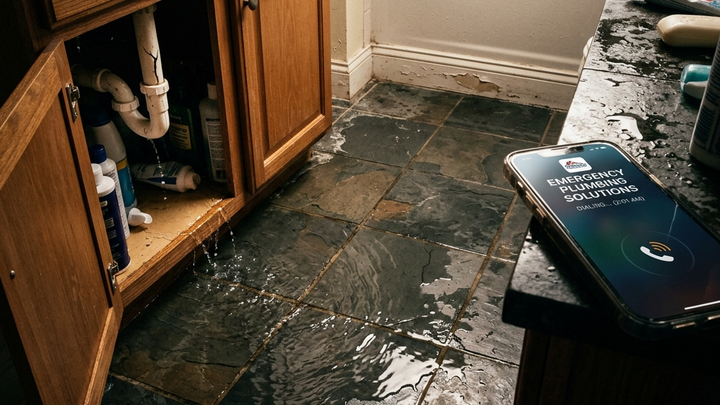
Plumbing Intake System: From First Call to Dispatch Handoff
A practical buyer's guide to classifying plumbing calls, protecting safety boundaries, confirming dispatch ownership, and following up without losing context.

Layer 5 Deep Dive: The AI Business Intelligence Layer: The Dashboard Every Service Business Owner Actually Needs
Learn what an AI business intelligence dashboard should show service business owners: missed calls, response time, lead quality, follow-up gaps, reviews, and revenue leaks.
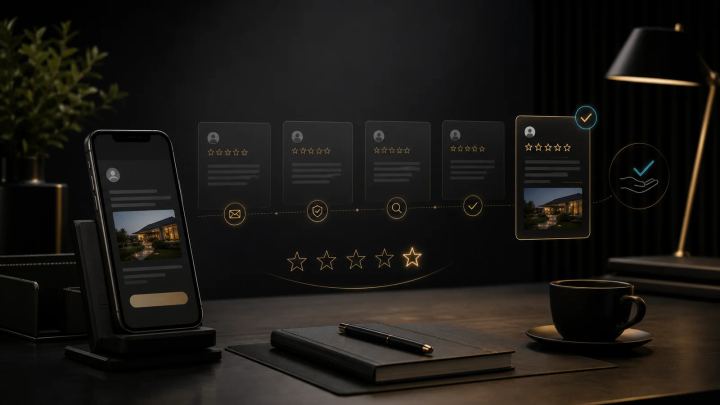
Review Request Automation Without Review Gating: A Practical System
How eligible service businesses can request genuine reviews consistently, respond professionally, route service issues, and keep the workflow within clear policy and human-approval boundaries.
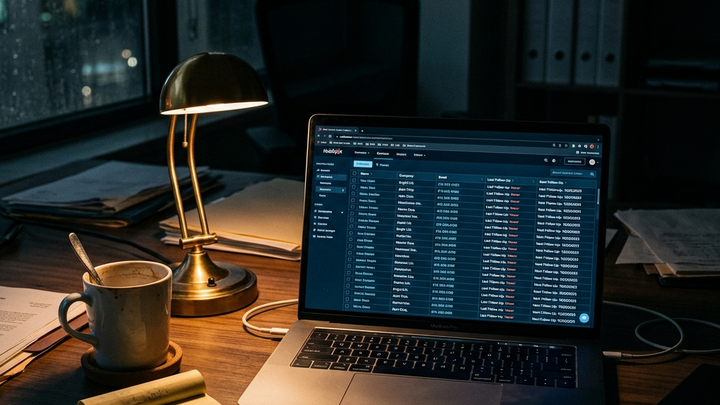
Layer 3 Deep Dive: The AI Follow-Up Engine: How to Stop Letting Warm Leads Go Cold
Learn how an AI follow-up engine helps service businesses recover warm leads, stale estimates, old CRM contacts, and dormant customers without relying on memory.

CRM vs AI Business Operating System: A Practical Buyer Comparison
A plain-language comparison of software capability, customer records, automation, AI, implementation, governance, and the work required to make one customer journey operate reliably.

AI Business Operating System: What the Label Should Mean Before You Buy
A plain-language buyer guide to the category label, the operating path underneath it, and the questions that separate useful systems from inflated software claims.
Five Breakpoints in a Customer System, and What to Fix First
A practical operating guide to finding where a customer journey is losing time, trust, or momentum before the business buys more software or automates the wrong step.

How Long Should It Take to Follow Up With a New Lead? (The Answer Is Probably Shocking)
Most service businesses follow up too slowly. Learn how fast a new lead should be contacted, why buyer intent decays, and how to build a faster front door.

AI Receptionist for Dental Practices: Cost, Setup, and 90-Day Evaluation
A practical buyer guide to starter and custom dental intake, implementation, usage, privacy, escalation, testing, and the evidence a practice should review during its first 90 days.

Law Firm Intake Models: Staff, Answering Service, AI, or Hybrid?
A practical comparison of in-house reception, answering services, AI-assisted intake, and hybrid coverage for law firms that need a controlled path from first contact to professional review.

Charlotte's Service Business Boom Is Outpacing Local Intake Infrastructure
Charlotte service businesses can lose local demand when calls, forms, and after-hours inquiries outpace intake capacity. Learn how to audit and fix the front door.

Scottsdale Med Spas Are Losing Bookings to Clinics That Answer Faster
A plain-language guide for med spa owners who need faster response, cleaner booking, better follow-up, and a front door that keeps more high-intent demand from drifting to competitors.

Why Med Spas Lose 40 Percent of Inquiries After 5 PM (And What That Number Costs You Annually)
A prospect calls your med spa at 6:43 PM on a Wednesday to book a Botox consultation. Your front desk closed at 5. The call goes to voicemail. She does not leave a message. By Thursday morning she has booked a consultation with a competitor who had a live voice on the other end of the line. You never knew she called. This is not an edge case. For most med spas, it is Tuesday through Sunday, every week, all year.

Beyond the Notification: How Webhooks Turn Your 'Leads' Into 'Operations'
Webhooks are not just technical plumbing. Learn how service businesses use automation triggers to move leads, bookings, follow-up, dispatch, and CRM work.
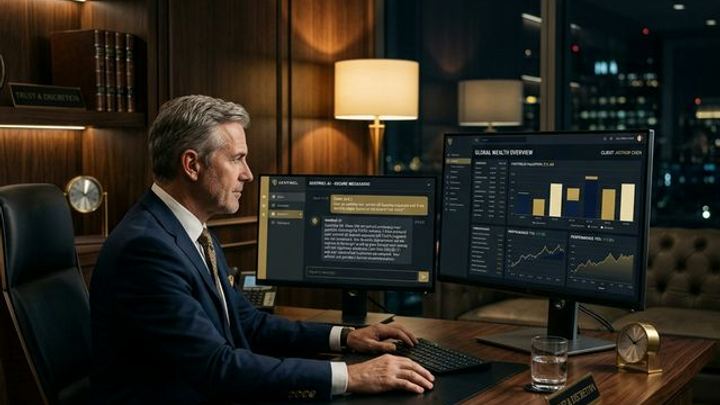
Wealth Management AI Intake: A Governance-First Design Guide
A practical framework for designing prospect intake around firm-approved questions, privacy, supervision, recordkeeping, human review, and a clear handoff to qualified professionals.
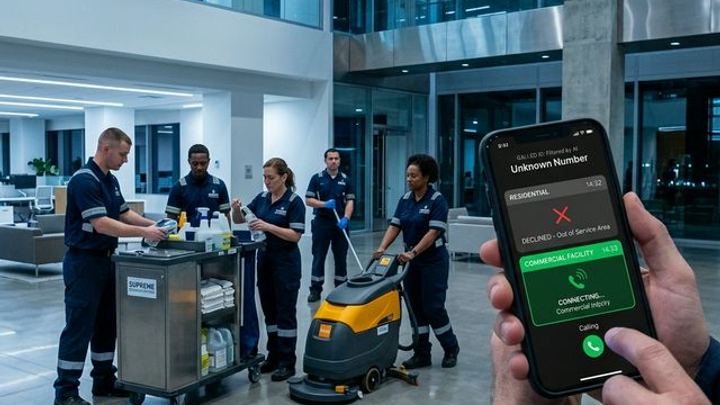
Commercial Cleaning Intake: Qualify Contract Opportunities Without Guesswork
A practical framework for commercial cleaning companies that need to separate service fit, prepare walkthroughs, route urgent requests, and hand qualified contract opportunities to an accountable salesperson.
Personal Injury After-Hours Intake: A Measurement Guide
A practical method for measuring response, intake completion, attorney review, consultations, and handoffs after hours without relying on invented case values or generic conversion claims.

Commercial Roofing: Capturing B2B Property Managers During Business Hours
There is a fundamental psychological divide between residential and commercial roofing. Residential is high-volume, emotional B2C storm chasing. Commercial roofing is calm, institutional, and relentlessly B2B. When a regional real estate portfolio director calls at 11 AM on a Tuesday to request an inspection on a 50,000 square foot logistics warehouse, they expect to interact with a highly sophisticated corporate headquarters. If the local roofing owner answers that call from a windy ladder, screaming over the sound of an idling diesel truck, the $200,000 contract is instantly jeopardized. In 2026, the elite local commercial roofers are defeating private-equity-backed national franchises by deploying advanced AI intake systems to create a flawless, enterprise-grade first impression during peak business hours.
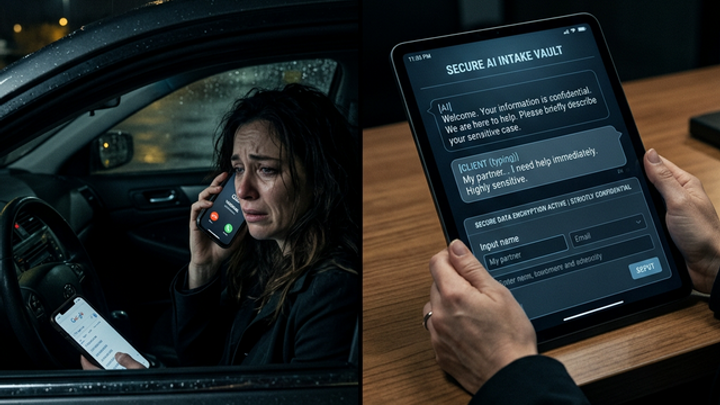
Private Investigators: Handling High-Emotion, High-Discretion Calls with AI
Private investigator calls are high-discretion, high-emotion, and often after hours. Learn how AI intake can capture inquiries safely without replacing investigator judgment.

Stop Buying Local Service Leads: Fix Your Intake Infrastructure Before You Buy Another Ad
Bad lead quality is not always the problem. Many service businesses lose paid leads because callbacks are slow, after-hours intake is weak, and follow-up is inconsistent.
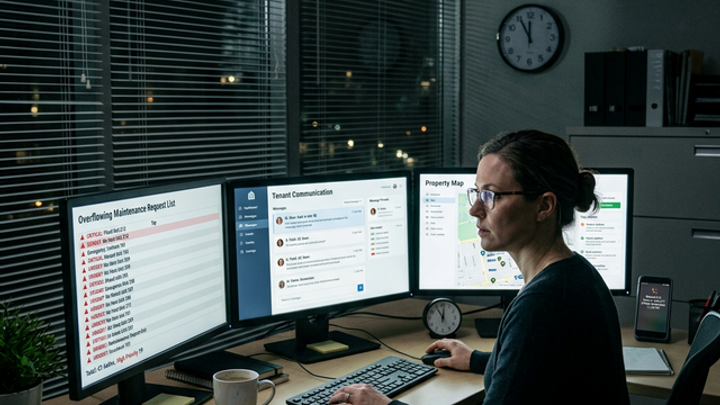
Property Management After-Hours Maintenance Calls: The Tenant Experience That Loses Renewals
After-hours maintenance calls shape tenant trust long before renewal season. Learn how property managers can triage calls, protect renewals, and reduce tenant frustration.
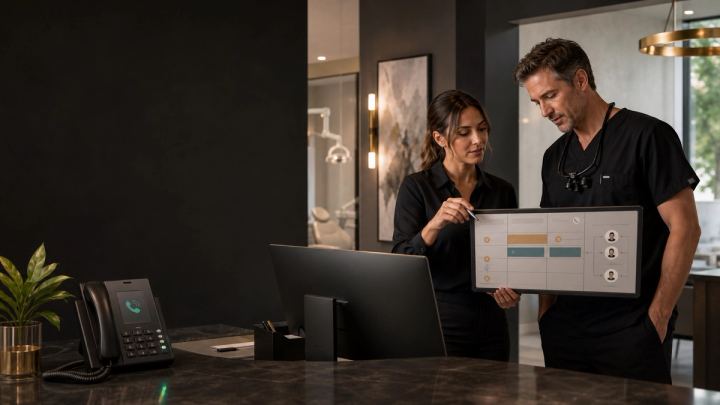
Dental Same-Day Appointment Intake: Capacity, Handoffs, and Patient Response
A practical operating guide for responding to urgent dental inquiries, protecting clinical boundaries, and giving the team a workable same-day decision path.

Home Health Care Agencies: The Intake Gap That Costs You 30% of New Client Inquiries
The person calling a home health care agency is almost never the person who needs care. They are the adult daughter who just got a call from the hospital that Dad is being discharged Friday. They are the son who drove two hours after Mom fell and realized for the first time that the situation at home is no longer safe. They are calling from a parking lot, or a hospital corridor, or an airport gate. They are not comparison shopping. They are solving a crisis. The agency that answers, demonstrates competence in the first 90 seconds, and provides a clear path forward wins the case. The agency that sends them to voicemail loses a client worth $48,000 in annual revenue to a competitor who did pick up.

Mental Health Practice Intake: Why 35% of New Patients Never Show Up for the First Session
The first-session no-show is the most misunderstood problem in private practice management. Most therapists attribute it to client ambivalence, cost concerns, or embarrassment about seeking help. Research suggests a different cause: the intake process itself. The 72-hour window between a prospective patient's initial outreach and their confirmed first appointment is where most first-session attrition occurs, and it is almost entirely controllable through intake design.

AI Receptionist for Law Firms: Capture More Consultations Without Hiring
Law firms have the highest client lifetime value of any service business. They also have the most legally complex intake obligations. When the phone goes unanswered at a law firm, the damage is not only a lost case. It is a lost referral relationship, a privilege risk, and often, a competitor intake that closes within the hour.
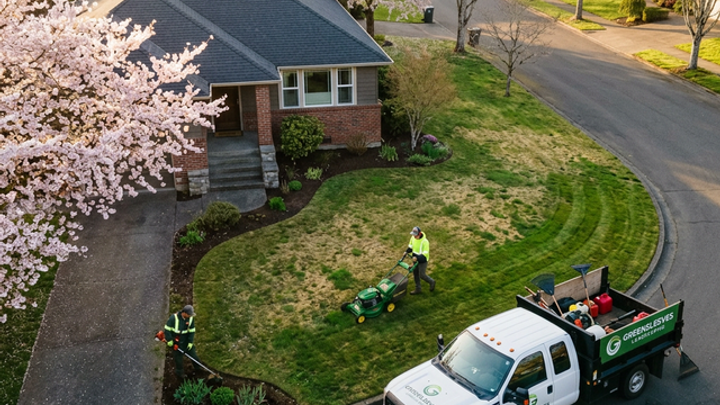
Lawn Care and Landscaping: How to Book 200 Spring Clients Before April Without Hiring
The homeowner who decides who cuts their lawn in 2026 makes that decision in February or March, not in May. By the time the grass is growing too fast to ignore, the best lawn care routes are full. The landscaping and lawn care businesses that dominate their market every summer are not better at marketing in April. They are better at capturing intent in February and converting it into booked seasonal agreements before the surge arrives.

Database Reactivation for Service Businesses: A Controlled Recovery Plan
Clean the records, define permission, segment by relationship, prepare the response path, and measure completed work before scaling outreach.

Dental No-Shows: How to Measure the Loss and Fix the Patient Journey
A practical way to calculate empty-chair loss, find the weak handoff, improve reminders and rescheduling, and recover missed appointments.

Call Your Own Business After Hours: A Practical Test
A first-party audit for checking the phone, voicemail, Google profile, website, form response, routing, and promised next step customers actually experience.
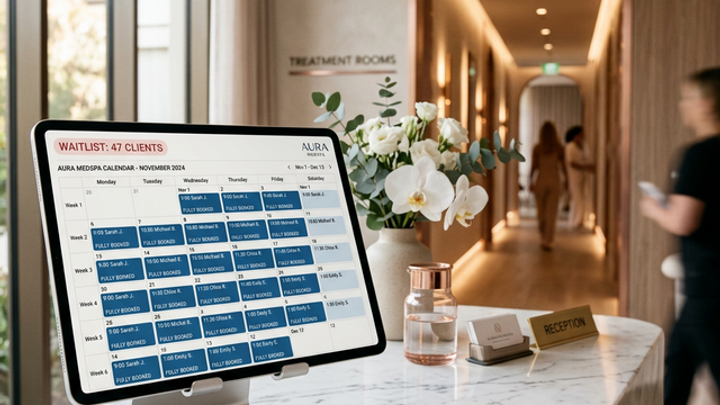
Your Med Spa Waitlist Is Leaking: How to Convert It Into Recoverable Revenue
Most medical spas treat their waitlist as a passive courtesy list. The elite aesthetic clinics treat it as the most valuable revenue asset in the practice, executing a systematic activation protocol that converts waitlisted patients into booked appointments within 72 hours of a cancellation.
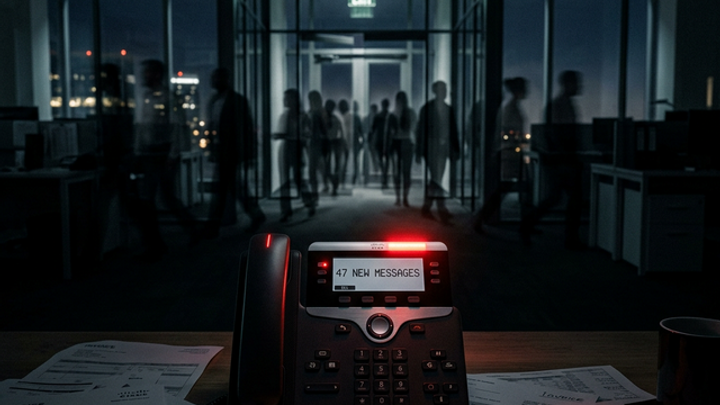
The $126,000 Voicemail Problem: Why Many Callers Never Leave a Message
Most service business callers will not wait for voicemail. Learn why voicemail quietly creates six-figure revenue leaks and how to replace it with real intake.

Foundation Waterproofing: The Spring Missed-Call Revenue Leak
A spring demand guide for waterproofing companies: missed-call capture, AI receptionist coverage, inspection booking, CRM notes, and follow-up.

Emergency Plumbing Dispatch: The 11:43 PM Sunday Burst Pipe Scenario
When a pipe bursts or a drain backs up at 11 PM, the homeowner calls three plumbers in a row. The first plumber to answer and confirm availability gets the job. The other two get a voicemail callback that never comes.

Tax Season Intake for CPA Firms: A Practical Front-Desk System
How CPA and accounting firms can separate client status questions, new-client fit, secure document requests, and deadline-sensitive calls without making partners the switchboard.

After-Hours Call Intake for Water Damage Restoration
How restoration companies can capture water-damage calls, identify safety and urgency signals, route trained people, set accurate expectations, and audit the handoff.