

Book a Front Door Audit to calculate your real conversion rate and what moving it 10 percentage points means → /book-a-call
Treat any number without a nearby source or stated method as a planning assumption, then replace it with your own records.
The 2008-2010 recession killed about 170,000 small businesses in the United States. Of the service businesses that survived, there is a pattern in what separated survivors from those that closed. It wasn't the lowest prices. Not the longest-operating businesses. Not the biggest marketing budgets. It was which businesses converted the leads they got.
What Happens to a Service Business in a Recession
Phase 1: Discretionary spending drops first. Emergency and essential services continue. 10-20% reduction in discretionary revenue. Phase 2: Consumer confidence drops significantly. Even essential spending gets scrutinized. Multiple quotes before hiring. Fewer leads overall, but less competition for them. Phase 3: Pent-up demand from 18 months of deferred maintenance arrives. The businesses with systems intact are positioned to capture it. The ones that barely survived are not.
The Conversion Rate Math in a Recession
Non-recession: 100 leads/month, 40% conversion = 40 jobs = $22,000. Recession (20% lead drop): 80 leads, 40% conversion = 32 jobs = $17,600 (20% revenue decline). Same recession with 60% conversion: 80 leads, 60% conversion = 48 jobs = $26,400. The business at 60% conversion in a recession does MORE revenue than the 40% conversion business did in normal conditions, with 20% fewer leads. Conversion rate doesn't just soften recession impact. At a sufficient level, it eliminates it.
Why Recession Pressure Destroys Low-Conversion Businesses First
At 30% conversion, a 40% lead volume drop (severe recession) takes booked jobs from 30 to 18, a 40% revenue decline potentially pushing into cash flow crisis. The owner starts making desperate decisions: cutting marketing (reduces leads further), reducing team size (reduces quality), offering discounts (reduces margin). Now run at 60% conversion with the same 40% lead drop: booked jobs go from 60 to 36, still more bookings per month than the low-conversion business had in normal conditions. The 60% business has room to absorb. The 30% business doesn't.
The Recession Preparation Checklist
1. Measure your conversion rate now, know the real number, not your estimate. 2. Close the after-hours coverage gap, after-hours leads in a recession consolidate toward competitors who are available. 3. Build your follow-up sequence, the 'comparing options' population grows in recessions. 4. Protect your review base, businesses that maintained review velocity through 2020 emerged with stronger local search positions. 5. Don't cut marketing before conversion, fix conversion first, then optimize marketing spend.
Book a Revenue Leak Diagnostic to calculate your real conversion rate and what moving it 10 percentage points means → /book-a-call
What to check before you choose a fix
Before buying another answering service, chatbot, phone tree, or AI receptionist, look at the actual path a caller, website visitor, referral, past customer, or high-intent lead takes when they reach your business. The first question is not whether the tool sounds impressive. The first question is whether the buyer gets a clear next step while they still care. In service business operations, that usually means a fast answer, a useful question, a booked appointment or estimate path, and a follow-up record that does not rely on memory.
A strong system should make the business feel easier to choose. It should reduce the waiting, repeating, guessing, and manual chasing that make a buyer keep searching. If the current setup answers only during business hours, takes a message without qualifying intent, or leaves the follow-up to whoever remembers first, the problem is not only staffing. It is front-door design.
The week-one diagnostic
Run this review over the last seven days before making a decision. Pull the call log, website form submissions, chat history, booking calendar, CRM notes, missed-call list, and Google Business Profile activity. Do not start with opinions. Start with timestamps and outcomes. A small sample is enough to show whether the leak is response speed, qualification, booking friction, review weakness, or follow-up failure.
- Count every missed call and every call that lasted under 20 seconds. Those are often buyers who never became visible in the CRM.
- Count every form or chat that waited more than 10 minutes for a real next step. This is where high-intent demand starts cooling off.
- Mark every inquiry that needed a human callback before booking. That tells you whether the website is explaining the next step clearly enough.
- Review the last five reviews buyers can see publicly. Recency matters because buyers compare proof before they commit.
This is the source method for the article: use your own call log, CRM, booking calendar, form inbox, and Google Business Profile review activity. Public research can explain the pattern, but your own records show where money is escaping in this business.
Where the revenue usually leaks
The leak usually appears in one of four places. First, the buyer calls when the team is busy or closed. Second, the buyer reaches the business but is not qualified clearly enough to book. Third, the buyer receives a polite response but no firm next step. Fourth, the buyer finishes the job or visit but no review, referral, or reactivation path happens after the work is done. Each leak looks small by itself. Together, they decide whether marketing produces booked revenue or only more noise.
For a service business, the most valuable fix is the one that protects answered calls, booked appointments, stronger reviews, and follow-up. That is why what happens to your service business during a recession - and the one number that predicts survival should be judged by business outcomes, not by novelty. A phone feature that sounds clever but does not improve booked appointments is not enough. A website widget that collects contact details but does not trigger follow-up is not enough. A review tool that asks once and disappears is not enough.
What a stronger system should do
A stronger front door answers quickly, asks the right questions, captures the reason for contact, separates urgent from routine demand, books when rules are clear, sends confirmations, updates the follow-up path, and asks for reviews after the work is done. The system should make the owner less dependent on heroic callbacks and make the buyer feel that the business is organized from the first touch.
The Quiet Protocol treats this as an operating system, not a single widget. Calls, web forms, missed-call text-back, appointment booking, CRM handoff, review requests, and reactivation all need to point in the same direction. When those pieces are connected, a service business can capture more demand without turning the team into a bigger manual call center.
How to judge whether it is working
Do not judge the system by how futuristic it feels on day one. Judge it by what changes in the business. Useful measurements include missed-call recovery rate, average response time, booked appointment rate, no-show recovery, review request volume, review recency, reactivated past-customer conversations, and the number of leads that have a clear next action in the CRM.
The best early sign is calm. Fewer loose callbacks. Fewer mystery leads. Fewer buyers waiting for a reply. More conversations with a clear status. That is what good automation should feel like to the owner and to the customer.
Use your own records before you decide
Source: start with your call log, CRM notes, booking calendar, missed-call records, web form timestamps, and Google Business Profile. Those records show whether buyers reached you, how fast they heard back, what they asked for, and where the next step broke down.
For seven days, mark each missed call, late reply, unbooked form, stale estimate, and review request that never went out. That small sample gives an owner a practical picture of the front-door gap before they spend more on ads, software, or staff.
Why conversion discipline matters more when demand softens
In a softer market, the owner cannot count on raw lead volume to hide operational waste. Buyers compare more options, take longer to decide, and respond more strongly to speed and clarity. The business that used to survive with loose follow-up starts feeling every leak.
The first recession-readiness audit I would run is not a budget cut. It is a conversion map. How many leads arrived last month? How many were answered live? How many became booked next steps? How many estimates were followed up? How many completed jobs generated reviews or referrals? Cutting marketing before answering those questions often makes the business smaller without making it stronger.
The owner-first point is that conversion rate is a control surface. You may not control market demand. You can control how much of the demand you already paid for turns into booked work.
The defensive operating stack
A recession-ready front door has five pieces: live or near-live response, missed-call recovery, estimate follow-up, review velocity, and dormant-customer reactivation. Each piece protects a different stage of demand. If one breaks, the business leaks revenue exactly when replacement leads are harder to buy.
This is why a higher conversion business can feel calmer during market pressure. It does not need every possible lead. It needs to waste fewer of the leads it already earns. That changes owner behavior too. Instead of panic-discounting or pausing marketing, the owner can make decisions from measured pipeline data.
For search visibility, this content should be practical because recession advice is often vague. The useful answer is not 'be resilient.' The useful answer is: measure response time, booking conversion, estimate follow-up, review generation, and dormant-customer recovery before cutting growth spend.
What should a service business measure before a recession?
Measure lead response time, call answer rate, booking conversion, estimate close rate, review velocity, and reactivation rate before cutting marketing spend.
Is conversion rate more important than lead volume?
Both matter, but conversion rate becomes more protective when lead volume drops or buyer decision cycles get longer.
How I would run a 30-day recession-readiness sprint
For 30 days, I would stop debating the economy and measure the controllables. Week one: response time and missed-call recovery. Week two: estimate follow-up. Week three: dormant-customer outreach. Week four: review requests and referral capture. Each week gets one metric and one operational fix.
This keeps the owner from making fear-based cuts. If conversion is weak, cutting marketing may only reduce the number of chances the business has to recover. If conversion is strong, the owner can reduce waste more intelligently because they know which sources and follow-up paths still produce revenue.
The useful output is a short scoreboard: leads received, leads reached, booked jobs, open estimates, recovered dormant conversations, and new reviews. If that scoreboard improves while the market is noisy, the owner has more control than the headlines suggest.
The scoreboard also stops the team from confusing busyness with resilience; only booked work, recovered demand, and retained trust prove the system is holding.
That is the difference between hoping the market improves and knowing which operating levers still work.
The loss estimate is basic business math, not a magic claim.
Revenue-leak examples on this site are built from visible operating inputs: inquiry volume, missed-call or slow-response rate, booking rate, average job or client value, repeat value, and follow-up recovery. The fastest way to make the number real is to run the diagnostic for your closest business type, then compare it against your own call log, CRM, booking calendar, form timestamps, and review activity.
The practical questions behind this decision.
Is this just a 24/7 answering service?
No. A traditional answering service usually takes a message. A properly designed AI receptionist and front-door system captures intent, qualifies the buyer, routes the request, books when possible, triggers follow-up, and supports reviews after the work is done. Message-taking is coverage. Revenue capture is a fuller operating path.
What should a service business fix first?
Fix the first place buyers disappear. For some businesses that is after-hours calls. For others it is slow website follow-up, weak booking logic, old leads, or stale reviews. The right first move comes from the seven-day diagnostic, not from guessing.
Will AI make the business feel less human?
Bad automation feels colder than a person. Good automation feels like the business is paying attention. It answers quickly, uses plain language, collects the right information, and hands the buyer to a human when judgment or empathy is needed. The goal is not to remove people. The goal is to stop making buyers wait for basic next steps.
How fast should we expect improvement?
The first lift should come from visibility and speed: fewer missed opportunities and cleaner routing. Deeper gains come after the system has enough real conversations to tune scripts, booking rules, follow-up timing, and review requests. Treat the first month as deployment and calibration, not a magic switch.
What should a service business measure before a recession?
Measure lead response time, call answer rate, booking conversion, estimate close rate, review velocity, and reactivation rate before cutting marketing spend.
Is conversion rate more important than lead volume?
Both matter, but conversion rate becomes more protective when lead volume drops or buyer decision cycles get longer.
Connect one customer path before adding more disconnected tools.
The first useful system owns a defined journey from customer action to team handoff and follow-up.
See where a Smart Website, software plan, AI intake path, or Custom Business System fits before committing to a scope.
See how the capability in this article fits into a complete customer journey.
Service BusinessesSee the same decision through the language, buyer behavior, and operating reality of this industry.
Client Results & ProofInspect the starting condition, installation, measurement window, and outcome behind real client work.
Carpet Cleaning Businesses Win on Speed. Here's Why Your Intake Is the Bottleneck.
A carpet cleaning field guide to missed calls, same-day booking, dispatch notes, CRM handoff, and follow-up when speed decides the job.

Commercial Cleaning Companies Win Bids They Never Close. Here's the Leak.
How commercial cleaning companies can close more walkthroughs and bids with faster follow-up, cleaner CRM notes, proof, and renewal-ready communication.
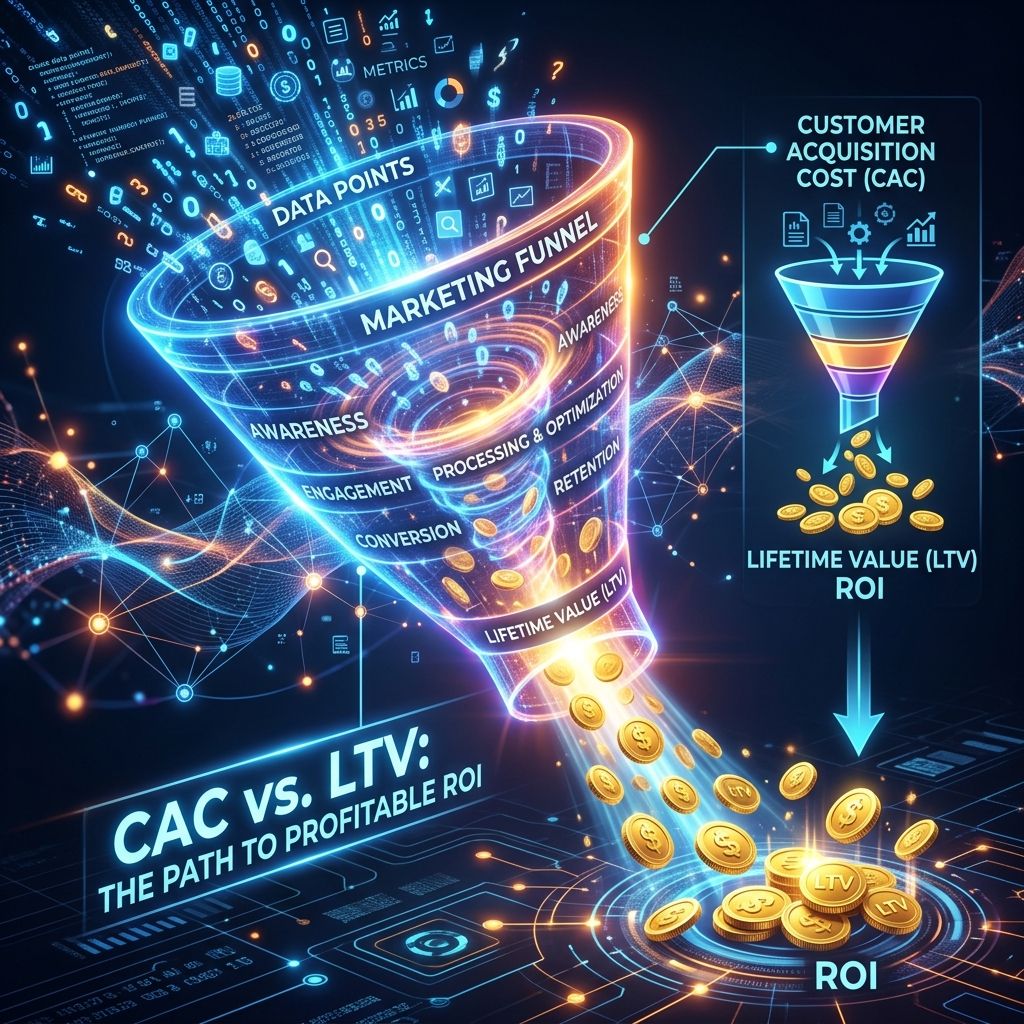
The Formula That Tells You Whether Your Marketing Is Actually Working
A practical CAC, LTV, call conversion, and review-driven ROI guide for owners who need to know whether marketing is really working.