Dentistry
Map the dental patient-access workflow and identify which administrative step needs clearer ownership, records, or exception handling.
12 published Field Notes
Understand the complete administrative patient journey across dental inquiry, preparation, scheduling, reminders, and team handoff.
A dentistry customer journey begins before the patient reaches the chair. The administrative system should connect the reason for contact, new or existing patient status, scheduling constraints, approved insurance and payment information, form preparation, reminders, rescheduling, and a clean staff handoff while leaving diagnosis and treatment decisions with clinicians.
Patient-access work is spread across phone, web, forms, practice software, reminders, and staff conversations, so the complete administrative path is difficult to inspect.
Three signals worth inspecting
- 01Patient details split across channels
- 02Preparation gaps appear at check-in
- 03Rescheduling and recovery lack one owner
Business Software & AI Business OS
These articles examine the administrative patient journey as a connected operating system around, but never in place of, clinical dentistry.
Field Notes on Dentistry
12 published Field Notes
Archive membership and the published count come from the current Field Notes record. When an article title includes a number, review that article's linked source or stated method before using the figure in a decision.

Dental Group Practice Intake: Routing New-Patient Inquiries Across Locations
A practical operating guide for giving every location a consistent new-patient experience without flattening different schedules, services, providers, or human responsibilities.
Read article
The Real Reason You Haven't Automated Yet (It's Not the Cost)
Why owner identity can block AI receptionist, CRM, booking, and follow-up improvements, and how to automate without losing trust.
Read article
The $180,000 Question Every Service Business Owner Avoids Answering
Most service business owners overestimate what their business is worth by 30-50%. Here's why, and what to do about it.
Read article
Dental Patient Reactivation: Recall Workflow, Cost, and Measurement
A practical guide to overdue-patient lists, contact preferences, privacy safeguards, reply handling, booking, custom-system scope, and evidence a dental practice can measure.
Read article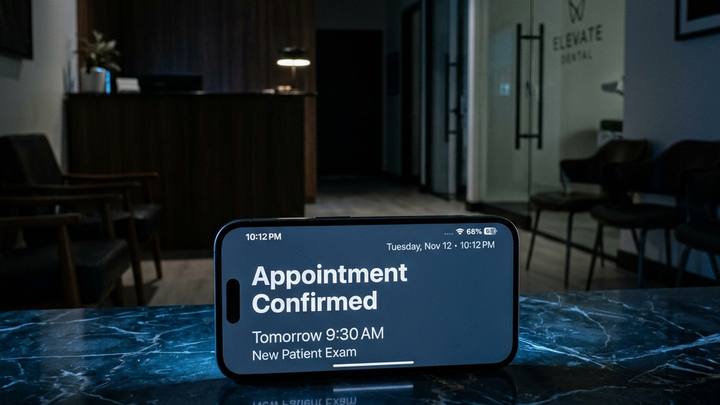
Dental After-Hours Intake: A Practice-Controlled Booking Guide
A practical guide to answering after-hours dental inquiries, separating routine booking from urgent concerns, protecting patient information, and keeping care decisions with the practice.
Read article
AI for Dental Practices in the United States: Buyer and Governance Guide
A practical framework for choosing an administrative AI use case, reviewing privacy and vendor controls, proving integrations, and launching without surrendering clinical judgment.
Read article
AI for Dental Practices in Toronto and the GTA: Local Implementation Guide
A practical Ontario guide to administrative AI, PHIPA-aware data handling, patient communication, CDCP questions, multilingual intake, software handoffs, and a controlled first launch.
Read article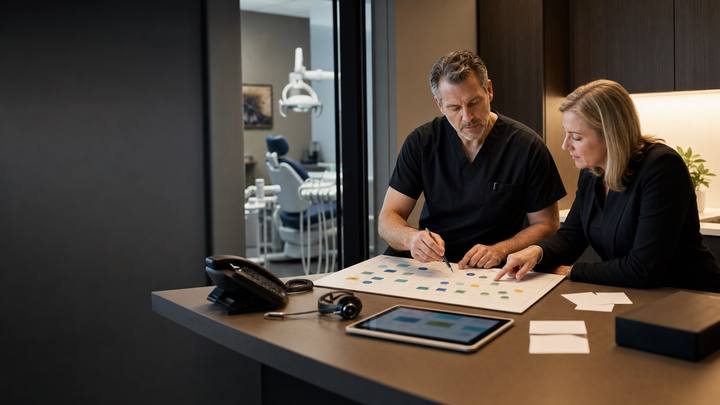
Dental Practice Operating System: Intake, Recall, Reviews, and Handoffs
A practical guide to connecting the public website, patient inquiries, appointment workflows, recall, reputation, and team accountability without confusing automation with clinical judgment.
Read article
AI Receptionist for Dental Practices: Cost, Setup, and 90-Day Evaluation
A practical buyer guide to starter and custom dental intake, implementation, usage, privacy, escalation, testing, and the evidence a practice should review during its first 90 days.
Read article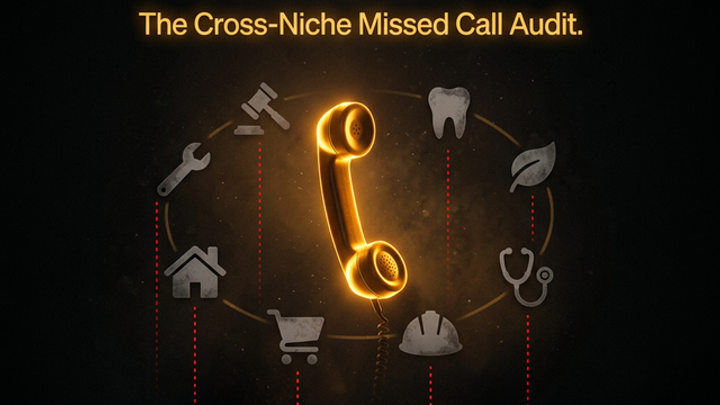
The Real Cost of Missing Calls in 2026: A Cross-Niche Audit
Missed calls cost different service businesses in different ways. See how to calculate missed-call revenue loss across HVAC, plumbing, restoration, legal, dental, and electrical businesses.
Read article
Dental Same-Day Appointment Intake: Capacity, Handoffs, and Patient Response
A practical operating guide for responding to urgent dental inquiries, protecting clinical boundaries, and giving the team a workable same-day decision path.
Read article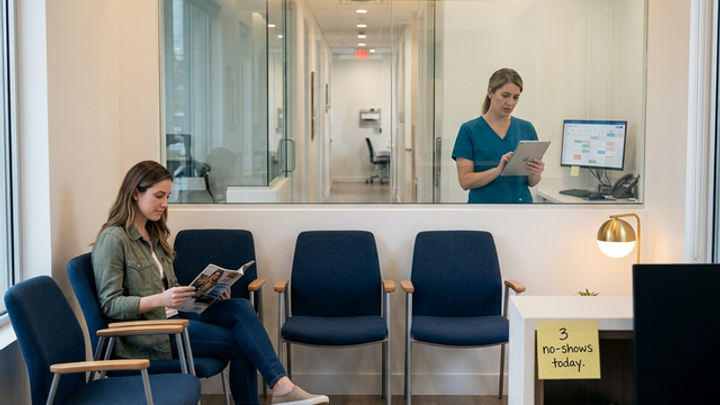
Dental No-Shows: How to Measure the Loss and Fix the Patient Journey
A practical way to calculate empty-chair loss, find the weak handoff, improve reminders and rescheduling, and recover missed appointments.
Read article