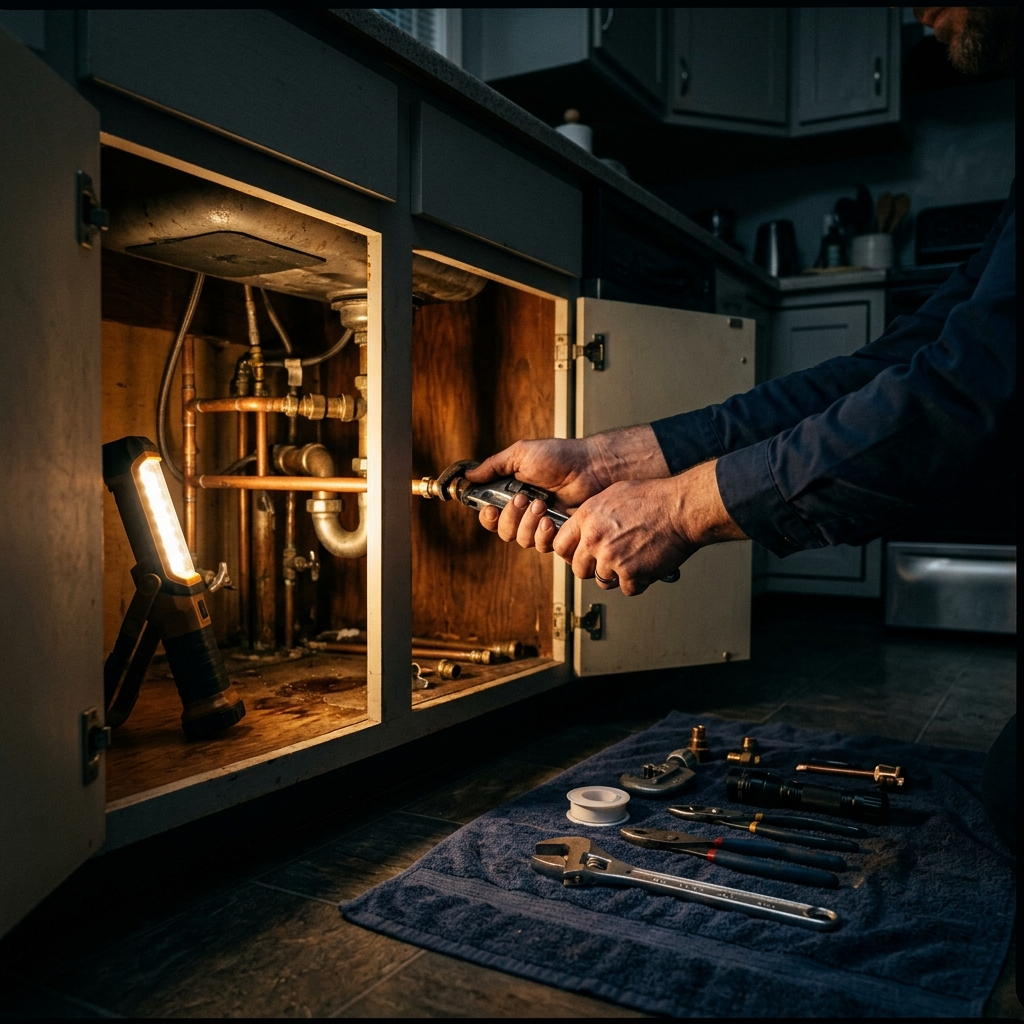

They want one thing: a plumber who answers, who can tell them someone is coming, and who gives them enough confidence to stop searching for the next number to call.
Treat any number without a nearby source or stated method as a planning assumption, then replace it with your own records.
A homeowner whose pipe bursts at 11 PM on a Saturday is not shopping. They are panicking.
They want one thing: a plumber who answers, who can tell them someone is coming, and who gives them enough confidence to stop searching for the next number to call.
The plumber who answers that call does not just get a job. They get a client. I've said this to plumbing company owners in every market I've worked, the homeowner who calls you at 11 PM on a Saturday and reaches a real response does not forget that. They tell their neighbors. They leave a specific, detailed review. They call you first for every plumbing issue for the next ten years. The emotional weight of being there during a crisis is unlike anything a scheduled service call can produce.
The plumbers capturing this opportunity are not necessarily the ones with the best equipment or the highest Google rating. They are the ones with an intake system that answers every call, at any hour, and produces a real response before the homeowner finishes dialing the next number.
The Value Profile of an Emergency Plumbing Call
Emergency plumbing calls have a different revenue profile than routine plumbing calls.
A routine call, scheduled drain cleaning, a slow-dripping faucet, a toilet that runs occasionally, books at $150 to $400 and can typically wait for a business-hours appointment. The homeowner is not in crisis. They have time to compare options.
An emergency call, burst pipe, sewage backup, failed water heater, significant active leak, books at $500 to $3,000 for the immediate service call, often leads to additional repair or replacement work at $1,500 to $8,000, and carries a high probability of an ongoing service relationship. The homeowner is in crisis. They are not comparing options. They are hiring the first plumber who gives them confidence that help is coming.
For a plumbing company receiving 5 after-hours emergency calls per weekend:
- 5 calls per weekend x 52 weekends = 260 emergency calls per year
- x $1,200 average immediate value = $312,000
- Plus 40 percent leading to additional repair work: 104 jobs x $2,800 average = $291,200
Total annual value from weekend emergency calls alone: over $600,000.
If 40 percent of those calls go unanswered and reach voicemail, the business is leaving $240,000 per year on the table from a single coverage gap.
That number, when I show it to an owner who has been running voicemail for evening and weekend calls, is typically the moment things change.
Why Emergency Callers Do Not Wait for Callbacks
The behavior of a homeowner in a plumbing emergency is predictable and documented.
They identify the problem. They search or recall a plumber. They call. If they reach voicemail, they do not leave a message and wait, they immediately call the next number. Research on emergency service calls shows the average homeowner in a plumbing emergency calls 2.3 different companies before booking one. The first company to answer converts at a rate 3 to 4 times higher than the company that calls back within 30 minutes.
This is not irrational behavior. It reflects the real stakes of an active water situation. Every minute of delay is physical damage to the structure, the finishes, and the contents of the home. The homeowner's urgency is proportional to the actual cost of waiting.
The intake window for an emergency call is 30 to 90 seconds. If the call reaches voicemail and the callback comes 20 minutes later, the window has almost certainly closed.
What a High-Performing Emergency Intake Sounds Like
The conversation structure that converts emergency plumbing calls has specific characteristics.
It answers immediately, without hold music or automated menus. A caller in a crisis who hears "press 1 for service, press 2 for billing" is already reaching for the end-call button.
It acknowledges the urgency in the first sentence. "You've reached [Company], we're here 24 hours, what's going on?" is more effective than a formal greeting because it signals immediately that the call was answered by something ready to act.
It collects the three critical intake pieces quickly: what is happening (the nature of the emergency), where it is happening (the address), and whether anyone is in danger or whether the water source can be shut off immediately. This third point, advising the homeowner on the shutoff valve, provides immediate practical value and builds trust before dispatch is even confirmed.
It provides a specific time commitment. "We have a technician available for your area tonight, they can be there in 45 to 90 minutes" is significantly more effective than "someone will call you back." A time window, even an approximate one, closes the search. The homeowner stops calling other plumbers.
An AI intake system configured for emergency plumbing executes this exact structure: answers immediately, collects the three intake points, provides shutoff valve guidance, and sends a priority dispatch notification to the on-call technician, all within a 90-second interaction. The technician has the address and situation details before they are back in the truck.
Turning Emergency Clients Into Long-Term Relationships
The emergency call is the beginning of a relationship, not a one-time transaction, but only if the intake and follow-up system treats it that way.
Plumbing companies that build client retention from emergency calls do three things that most do not:
They send a follow-up text or call within 24 hours of the emergency job completion to confirm the repair is holding and the client is satisfied. This single touch produces a disproportionate review rate because the client is still in the emotional afterglow of the problem being solved. The review they leave is detailed, specific, and credible.
They add the emergency client to a maintenance reminder system. A homeowner who had a pipe burst in January receives a message in October about winterizing their plumbing before the next freeze. This message is relevant, timely, and positions the plumber as a professional advisor rather than a reactive service call.
They ask for a Google review at the 24-hour follow-up moment. Emergency resolution reviews produce the highest-quality review content because the homeowner has a real story to tell. These reviews outperform generic positive reviews in both conversion rate for prospective clients and ranking signal for Google Maps.
One plumbing company I worked with in Burlington, Ontario had 34 Google reviews when we started. Excellent work, loyal clients, zero review-request system. We implemented the 24-hour post-emergency follow-up with an embedded review request. Within 90 days they had 67 reviews. Their Google Maps position moved from 4th to 2nd for "emergency plumber Burlington." Their inbound call volume increased 31 percent from search alone, without changing their marketing spend.
Emergency Plumbing Call Questions
What types of plumbing calls are most common after hours?
Burst pipes and active leaks are the most urgent and most common after-hours emergency category, particularly in winter months. Sewage backups are the second most common and among the highest-urgency situations due to health implications. Water heater failures are common in early morning hours when households wake up and discover the problem. Clogged main drains are more variable, some can wait until morning, others cannot.
How much is an unanswered after-hours emergency plumbing call worth?
The direct value of an emergency plumbing call averages $1,200 to $1,800 for the immediate service call in most US markets. When that call leads to additional repair or replacement work, which occurs in 35 to 45 percent of emergency calls, total job value rises to $3,000 to $6,000. When that client becomes a regular maintenance customer, the 3-year lifetime value averages $4,000 to $7,000.
Why do plumbing companies not just hire an on-call technician to answer calls?
Most plumbing companies do have an on-call technician for after-hours dispatch. The problem is not dispatch, it is intake. An on-call technician who is also expected to answer every call, collect intake information, triage urgency, and manage dispatch is doing all of that while driving to or from a job. The intake quality degrades significantly when the technician is managing both roles simultaneously. AI handles the intake; the technician handles the physical work.
What is the most important thing a plumber can tell an emergency caller immediately?
Advising the caller how to shut off the water source is the highest-value immediate action. For most residential burst pipe situations, this means directing the homeowner to the main shutoff valve, typically in the basement near the water meter or outside near the foundation. This advice does two things: it reduces the damage occurring while the technician is in transit, and it immediately establishes the plumber as a competent professional who prioritized the homeowner's situation over administrative intake.
*To build an after-hours intake system that captures every emergency plumbing call in your market, request a Revenue Leak Diagnostic at thequietprotocol.com.*
What to check before you choose a fix
Before buying another answering service, chatbot, phone tree, or AI receptionist, look at the actual path a leak, drain, water heater, fixture, or emergency plumbing caller takes when they reach your business. The first question is not whether the tool sounds impressive. The first question is whether the buyer gets a clear next step while they still care. In plumbing company operations, that usually means a fast answer, a useful question, a booked appointment or estimate path, and a follow-up record that does not rely on memory.
A strong system should make the business feel easier to choose. It should reduce the waiting, repeating, guessing, and manual chasing that make a buyer keep searching. If the current setup answers only during business hours, takes a message without qualifying intent, or leaves the follow-up to whoever remembers first, the problem is not only staffing. It is front-door design.
The week-one diagnostic
Run this review over the last seven days before making a decision. Pull the call log, website form submissions, chat history, booking calendar, CRM notes, missed-call list, and Google Business Profile activity. Do not start with opinions. Start with timestamps and outcomes. A small sample is enough to show whether the leak is response speed, qualification, booking friction, review weakness, or follow-up failure.
- Count every missed call and every call that lasted under 20 seconds. Those are often buyers who never became visible in the CRM.
- Count every form or chat that waited more than 10 minutes for a real next step. This is where high-intent demand starts cooling off.
- Mark every inquiry that needed a human callback before booking. That tells you whether the website is explaining the next step clearly enough.
- Review the last five reviews buyers can see publicly. Recency matters because buyers compare proof before they commit.
This is the source method for the article: use your own call log, CRM, booking calendar, form inbox, and Google Business Profile review activity. Public research can explain the pattern, but your own records show where money is escaping in this business.
Where the revenue usually leaks
The leak usually appears in one of four places. First, the buyer calls when the team is busy or closed. Second, the buyer reaches the business but is not qualified clearly enough to book. Third, the buyer receives a polite response but no firm next step. Fourth, the buyer finishes the job or visit but no review, referral, or reactivation path happens after the work is done. Each leak looks small by itself. Together, they decide whether marketing produces booked revenue or only more noise.
For a plumbing company, the most valuable fix is the one that protects same-day dispatch, emergency triage, booked jobs, and review follow-through. That is why emergency plumbing calls after hours: how the best plumbers turn saturday night crises into loyal clients should be judged by business outcomes, not by novelty. A phone feature that sounds clever but does not improve booked appointments is not enough. A website widget that collects contact details but does not trigger follow-up is not enough. A review tool that asks once and disappears is not enough.
What a stronger system should do
A stronger front door answers quickly, asks the right questions, captures the reason for contact, separates urgent from routine demand, books when rules are clear, sends confirmations, updates the follow-up path, and asks for reviews after the work is done. The system should make the owner less dependent on heroic callbacks and make the buyer feel that the business is organized from the first touch.
The Quiet Protocol treats this as an operating system, not a single widget. Calls, web forms, missed-call text-back, appointment booking, CRM handoff, review requests, and reactivation all need to point in the same direction. When those pieces are connected, a plumbing company can capture more demand without turning the team into a bigger manual call center.
How to judge whether it is working
Do not judge the system by how futuristic it feels on day one. Judge it by what changes in the business. Useful measurements include missed-call recovery rate, average response time, booked appointment rate, no-show recovery, review request volume, review recency, reactivated past-customer conversations, and the number of leads that have a clear next action in the CRM.
The best early sign is calm. Fewer loose callbacks. Fewer mystery leads. Fewer buyers waiting for a reply. More conversations with a clear status. That is what good automation should feel like to the owner and to the customer.
The loss estimate is basic business math, not a magic claim.
Revenue-leak examples on this site are built from visible operating inputs: inquiry volume, missed-call or slow-response rate, booking rate, average job or client value, repeat value, and follow-up recovery. The fastest way to make the number real is to run the diagnostic for your closest business type, then compare it against your own call log, CRM, booking calendar, form timestamps, and review activity.
The practical questions behind this decision.
What is the most important thing a plumber can tell an emergency caller immediately?
Advising the caller how to shut off the water source is the highest-value immediate action. For most residential burst pipe situations, this means directing the homeowner to the main shutoff valve, typically in the basement near the water meter or outside near the foundation. This advice does two things: it reduces the damage occurring while the technician is in transit, and it immediately establishes the plumber as a competent professional who prioritized the homeowner's situation over administrative intake.
Is this just a 24/7 answering service?
No. A traditional answering service usually takes a message. A properly designed AI receptionist and front-door system captures intent, qualifies the buyer, routes the request, books when possible, triggers follow-up, and supports reviews after the work is done. Message-taking is coverage. Revenue capture is a fuller operating path.
What should a plumbing company fix first?
Fix the first place buyers disappear. For some businesses that is after-hours calls. For others it is slow website follow-up, weak booking logic, old leads, or stale reviews. The right first move comes from the seven-day diagnostic, not from guessing.
Will AI make the business feel less human?
Bad automation feels colder than a person. Good automation feels like the business is paying attention. It answers quickly, uses plain language, collects the right information, and hands the buyer to a human when judgment or empathy is needed. The goal is not to remove people. The goal is to stop making buyers wait for basic next steps.
How fast should we expect improvement?
The first lift should come from visibility and speed: fewer missed opportunities and cleaner routing. Deeper gains come after the system has enough real conversations to tune scripts, booking rules, follow-up timing, and review requests. Treat the first month as deployment and calibration, not a magic switch.
Decide what the AI must handle before you choose the software.
A useful intake system begins with the caller journey, the rules, and the human handoff, not a long feature list.
Give the receptionist a realistic scenario and hear how it answers, gathers context, and moves the caller toward a useful next step.
See how the capability in this article fits into a complete customer journey.
PlumbingSee the same decision through the language, buyer behavior, and operating reality of this industry.
Client Results & ProofInspect the starting condition, installation, measurement window, and outcome behind real client work.
The Real Cost of a Missed Call for a Service Business: The Math Nobody Runs
A missed call costs more than the immediate job. Here is the full three-layer calculation, immediate value, lifetime client value, and referral chain, and the annual total most owners never see.

The 5-Minute Rule: Why Speed to Lead Determines Who Gets the Job in Service Businesses
Research shows leads contacted within 5 minutes convert at 21 times the rate of leads contacted after 30 minutes. Here is what that means for service businesses and how to close the gap.
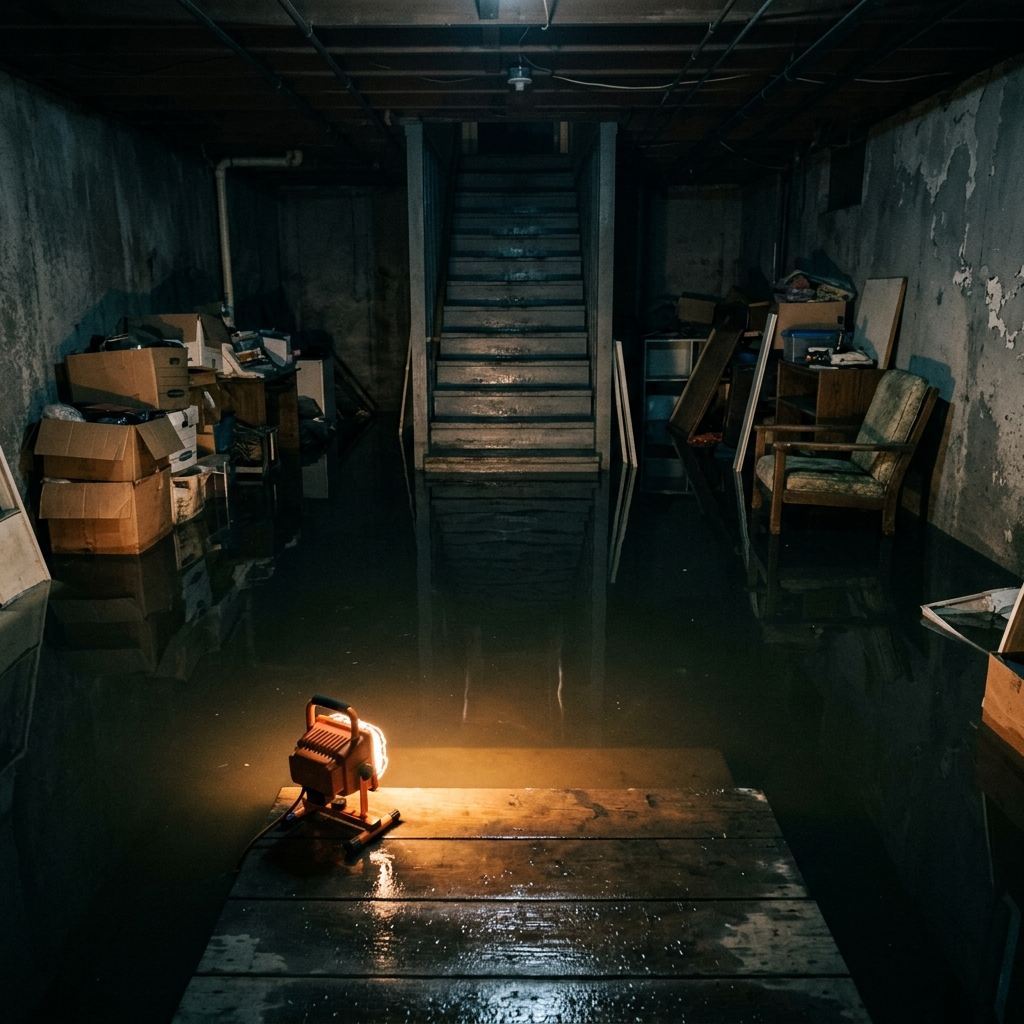
Restoration Emergency Call Intake: A Dispatch Handoff Guide
A practical guide for restoration companies that need to turn an urgent water-loss call into a clear, time-stamped incident brief without letting automation make safety or dispatch decisions.
Calculate the revenue leak.
Stop guessing. See how much demand your business may be losing through missed calls, slow replies, weak booking, review gaps, and follow-up drag, then decide whether Voice AI is the right system path.
Run the calculationPrefer to hear it first?
Call the live AI receptionist and test the conversation.
Call the live AI receptionist anytime. Tell it about plumbing, then hear a short live roleplay based on the calls your front desk actually gets.