

When I audit home service companies after a weak spring, the owner usually tells me the same story in different words:
Treat any number without a nearby source or stated method as a planning assumption, then replace it with your own records.
There is a moment every spring when home service owners feel the phones change.
Not gradually. Suddenly.
The first warm Saturday hits. Homeowners walk outside. They see the lawn, the gutters, the cracked hose bib, the AC unit they forgot about all winter, the deck that looks worse than it did in October.
Then they start calling.
When I audit home service companies after a weak spring, the owner usually tells me the same story in different words:
"We had demand. We just couldn't get to everything fast enough."
That sentence matters.
It means the market did its job. The website was visible enough. Google sent calls. Past customers remembered the company. The problem was not demand. The problem was capture.
Spring is the season where a home service business can feel busy while still leaking revenue through the front door.
That is why March, April, and May matter so much. They do not just open the busy season. They reveal whether the business is ready to absorb it.
The Spring Discovery Moment
Spring demand is different from regular marketing demand.
A homeowner does not wake up in February thinking deeply about outdoor faucets, lawn cleanup, pest control, roof damage, or AC tune-ups. They wake up in March or April, notice a problem, and act quickly.
That is the spring discovery moment.
For HVAC, it is the first warm day when the system runs and the house does not cool.
For plumbing, it is the outdoor faucet that drips after winter or the basement drain that smells wrong after the thaw.
For landscaping, it is the first weekend the yard looks embarrassing.
For pest control, it is ants in the kitchen or wasps starting to build near the garage.
For roofing and exterior, it is the first real inspection of winter damage, spring storm damage, or missing shingles that were invisible under snow and bad weather.
The owner sees these as service categories. The homeowner experiences them as immediate interruptions.
That is why the first company to respond has such an advantage. The customer is already moving. They are not building a long vendor shortlist. They are trying to get the problem off their plate.
I saw this clearly with a plumbing company that had strong spring search traffic but weak booked-job numbers. The owner thought the issue was pricing. It was not. Calls were arriving during lunch, late afternoon, and Saturday morning. The office missed enough of them that homeowners simply moved to the next result.
The company was winning visibility and losing the moment.
Why Spring Breaks Intake Systems
Most home service companies build their phone habits around the slower months.
In winter, call volume is manageable. The office can return calls. The owner can catch a few. Customers are a little more patient unless it is an emergency. A fragile system can survive.
Spring changes the math.
The same business suddenly has:
- New inbound calls from seasonal demand
- Existing customers asking for spring service
- Estimate requests from homeowners starting projects
- Vendor and technician coordination
- Weather delays
- Weekend and after-hours discovery calls
- Reviews, reschedules, cancellations, and callbacks
That is when the old workflow starts lying.
The owner says, "We are busy."
The call log says, "You are missing money."
In Front Door Audits, I do not only look at the total call count. I look at when calls arrive and how quickly the business responds. Spring patterns are especially revealing because the missed calls are often not random. They cluster around the exact moments homeowners are most motivated.
Saturday morning. After work. Lunch hour. The first warm afternoon. The day after a storm.
Those are not low-value calls. Those are the calls spring creates.
The Category Pattern Matters
Spring is not one season for every trade. It is several overlapping demand windows.
HVACstarts with tune-ups and first-system-start problems. The early calls are often scheduling calls, but they become urgent fast when the weather changes. The company that captures April tune-ups also creates the maintenance relationship that can become a summer repair or replacement.
Plumbingsees post-winter issues and outdoor water problems. These calls are easy to underestimate because they do not all sound like emergencies. But a slow leak, failed outdoor faucet, or drainage concern can become a larger job when handled well.
Landscaping and lawn careis brutally first-response driven. A homeowner who books the first cleanup often stays with that company for mowing, applications, and seasonal maintenance. Missing the first call can mean losing the whole season, not just one job.
Pest controlwakes up with the weather. Ants, termites, wasps, and rodents do not arrive politely during business hours. The homeowner who sees activity wants reassurance quickly.
Roofing and exteriorhas a spring inspection window. Homeowners notice damage after winter, then again after spring storms. A fast intake system can turn concern into inspection, inspection into quote, and quote into a booked job before competitors have called back.
The mistake is treating all of this as "busy season."
That phrase hides the useful detail. Each category has a different discovery moment. A strong spring intake system respects those differences.
What I Want in Place Before the Calls Arrive
If I were sitting with a home service owner in late February or early March, I would not start by asking what software they use.
I would ask four questions.
First: who answers when three calls arrive within five minutes?
Second: what happens when a lead calls after 5 PM?
Third: what happens when someone fills out a form on Saturday morning?
Fourth: how fast does the business follow up when an estimate is sent but not accepted?
Those four answers tell me more than a tech stack ever will.
For spring, I want the system to handle five jobs:
- Answer calls when the office is busy or closed
- Send missed-call text-back immediately
- Route urgent issues without making the owner manually inspect every voicemail
- Book or queue seasonal service requests with enough detail for the team
- Trigger follow-up and review requests after the job is done
This does not need to be complicated. It needs to be present before the demand arrives.
The worst time to design the spring front door is the first week the phone starts ringing hard.
Spring Is Also the Best Reactivation Window
One of the easiest ways to make spring more profitable is to stop treating every job as a new lead.
Most home service companies already have a past-client database sitting inside their CRM, phone system, invoices, or email history. The problem is that nobody speaks to it at the right time.
Spring is the right time.
A past HVAC customer is receptive to a message about getting ready before the heat.
A past plumbing customer is receptive to a message about outdoor faucets, sump pumps, or spring checks.
A past landscaping customer is receptive to a message before weekends fill up.
A past pest control customer is receptive before insects become visible.
The key is relevance. A generic "we miss you" message feels weak. A seasonal message tied to the exact problem the homeowner is about to notice feels useful.
I have seen owners get more excited about reactivation math than missed-call math because the leads are already theirs. They paid to acquire those customers once. They served them once. They simply let the relationship go quiet.
Spring gives the business a natural reason to restart the conversation.
The Review Window Most Owners Waste
Spring does something else that matters for summer: it creates review velocity.
The jobs completed in March, April, and May can become the reviews that support Maps visibility in June and July.
Most owners think about reviews too late. They notice competitors ranking above them during peak summer demand, then start asking for reviews once the season is already moving.
That is backwards.
Spring jobs are the review base for summer visibility.
If the business completes 40 spring jobs and asks for reviews manually whenever someone remembers, it might get three or four reviews. If the request is systematic and fast, the business can build a much stronger review signal before the highest-demand months arrive.
That matters because review recency gives prospects confidence. It also gives the company more proof when homeowners are comparing search results.
The business that looks active in May has an advantage in June.
The Revenue Leak Hiding Inside "We Were Busy"
Busy is not the same as captured.
This is one of the harder conversations I have with service business owners because "busy" feels like success. The calendar is full. The team is moving. The owner is tired. It seems like the business caught the season.
But when we look closer, the picture is different.
There are unanswered calls. Slow form responses. Estimates that were sent and never followed up. Past customers who were never contacted. Review requests that never went out. Jobs that went to competitors not because they were better, but because they responded faster.
That is why spring can be deceptive.
The business can be busy and still leave tens of thousands of dollars in the market.
The goal is not to make the owner work harder. Spring already does that.
The goal is to make the front door stop dropping opportunities the business already earned.
What to Check This Week
If you run a home service business, pull your last 30 days of records before the season gets louder.
Look at missed calls by time of day. Pay special attention to after-work windows and weekends.
Look at form submissions. How long did it take someone to respond?
Look at estimates. How many were sent without a structured follow-up sequence?
Look at past customers. How many have not heard from you in 6 to 18 months?
Look at review requests. Are they automatic, or are they dependent on someone remembering after a long day?
That is the spring readiness audit.
Not a vague feeling. Not "we think we are fine." The actual front-door numbers.
If those numbers look weak before demand spikes, spring will not fix them.
Spring will expose them.
The Question That Usually Changes the Conversation
Near the end of these audits, I usually ask one question:
"If every missed spring call had been written down as a lost estimate on your desk, would you still call this a good month?"
That is when the owner stops thinking about the phone as noise and starts seeing it as inventory.
Every call is a perishable unit of demand. Some are small. Some are large. Some are not a fit. But spring produces more ready-to-act demand than most owners realize, and the business only gets one chance to catch it cleanly.
That is why I do not want home service companies waiting until they feel overwhelmed. Feeling overwhelmed is a lagging indicator. By then, the first wave has already moved through the market.
The Spring Readiness Sequence
The best spring operators do not wait for the first surge to discover their intake capacity. They decide before the season what happens when three calls arrive at once, when a Saturday request comes in after lunch, when a past customer asks for a tune-up, and when an estimate needs a second touch.
That sequence does not have to be complicated. The call is answered or recovered quickly. The request is classified by category and urgency. The buyer gets a next step while they are still in the moment. The CRM records the source, status, and follow-up date. Reviews and reactivation are not treated as extra work after the season; they are part of the spring operating rhythm.
If the business cannot describe that sequence in plain language, the team will improvise when demand rises. Improvisation is expensive in March, April, and May because every loose callback is competing with a homeowner who is already calling the next company.
The practical questions behind this decision.
Which home service categories see the biggest spring demand surge?
HVAC, plumbing, landscaping, lawn care, pest control, roofing, exterior services, and restoration-adjacent trades all see meaningful spring demand. The exact timing changes by market, but March through May is when many homeowners shift from ignoring maintenance to actively booking work.
Why do spring calls convert differently from normal leads?
Many spring calls come from discovery moments. The homeowner sees a problem and wants it handled soon. That makes speed more important than clever marketing. If the first company answers clearly and confidently, the homeowner often stops searching.
When should a company prepare its spring intake system?
February and early March are the cleanest preparation windows. By April, many categories are already inside the demand surge. Preparing early gives the business time to test call flows, adjust routing, write follow-up messages, and make sure the team knows what happens when calls overflow.
Should spring intake focus on emergencies or scheduled work?
Both, but the handling is different. Spring has more scheduling-oriented demand than summer, especially for HVAC tune-ups, landscaping, inspections, and exterior work. The system still needs emergency routing, but it also needs clean scheduling, follow-up, and reactivation.
What is the fastest way to find spring revenue leaks?
Pull missed calls, form response times, estimate follow-up status, and dormant customer lists. Those four numbers usually show where the money is leaking. If the business is already missing calls or responding slowly in March, the leak will grow in April and May.
Locate the point where interested buyers stop hearing from the business.
Review one customer journey from first inquiry through booking, estimate, reminder, and recovery.
Use the diagnostic to locate the handoff where good inquiries, estimates, appointments, or past customers stop moving.
See how the capability in this article fits into a complete customer journey.
HVAC Emergency ServiceSee the same decision through the language, buyer behavior, and operating reality of this industry.
Client Results & ProofInspect the starting condition, installation, measurement window, and outcome behind real client work.
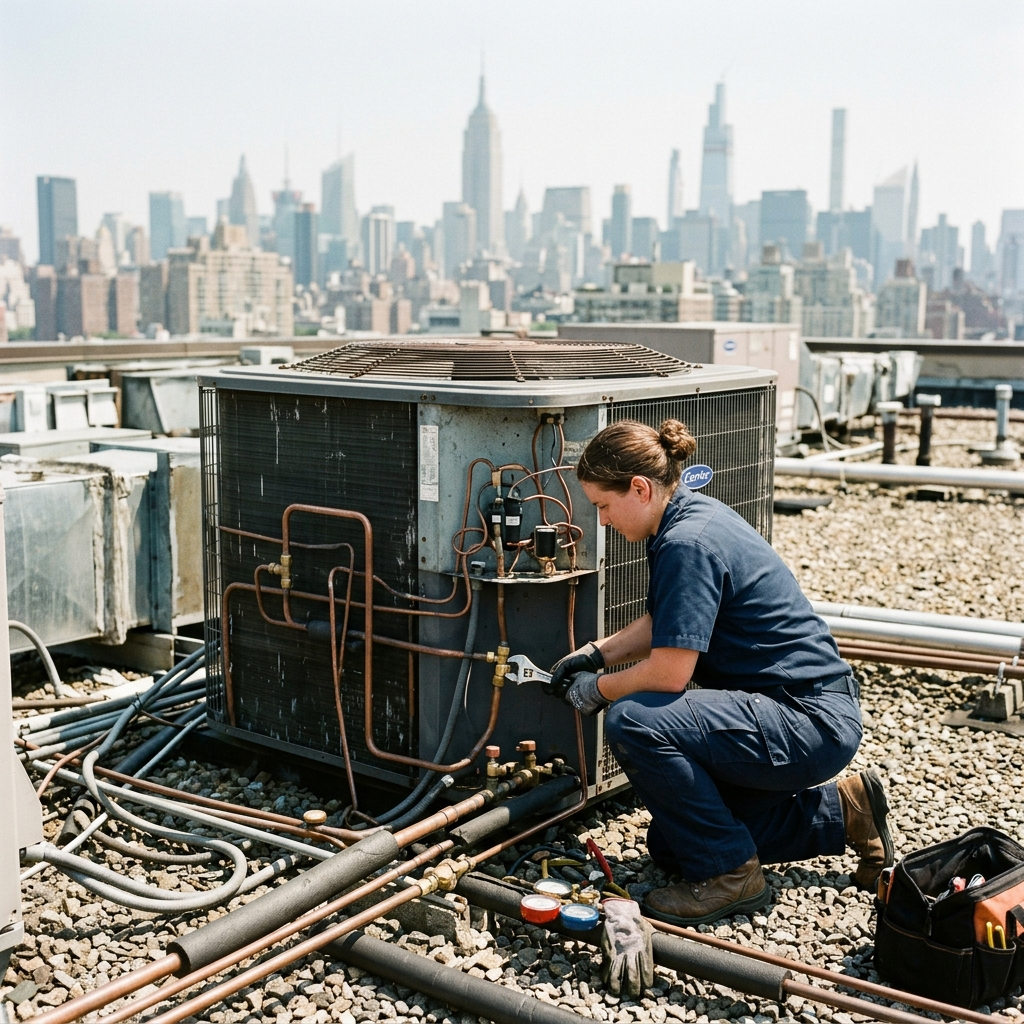
HVAC Peak Season Preparation: How to Stop Losing Summer Jobs Before the Heat Hits
HVAC peak season exposes every weak intake system. Here is how HVAC companies prepare before the heat hits, capture more summer calls, and avoid owner burnout.

The 5 Silent Signals Your Service Business Is Leaking Revenue Right Now
Five diagnostic signals that reveal how much revenue a service business is silently losing through operational gaps. Most service businesses losing six figures annually across these five channels have no idea the leak exists.

The 5-Minute Rule: Why Speed to Lead Determines Who Gets the Job in Service Businesses
Research shows leads contacted within 5 minutes convert at 21 times the rate of leads contacted after 30 minutes. Here is what that means for service businesses and how to close the gap.