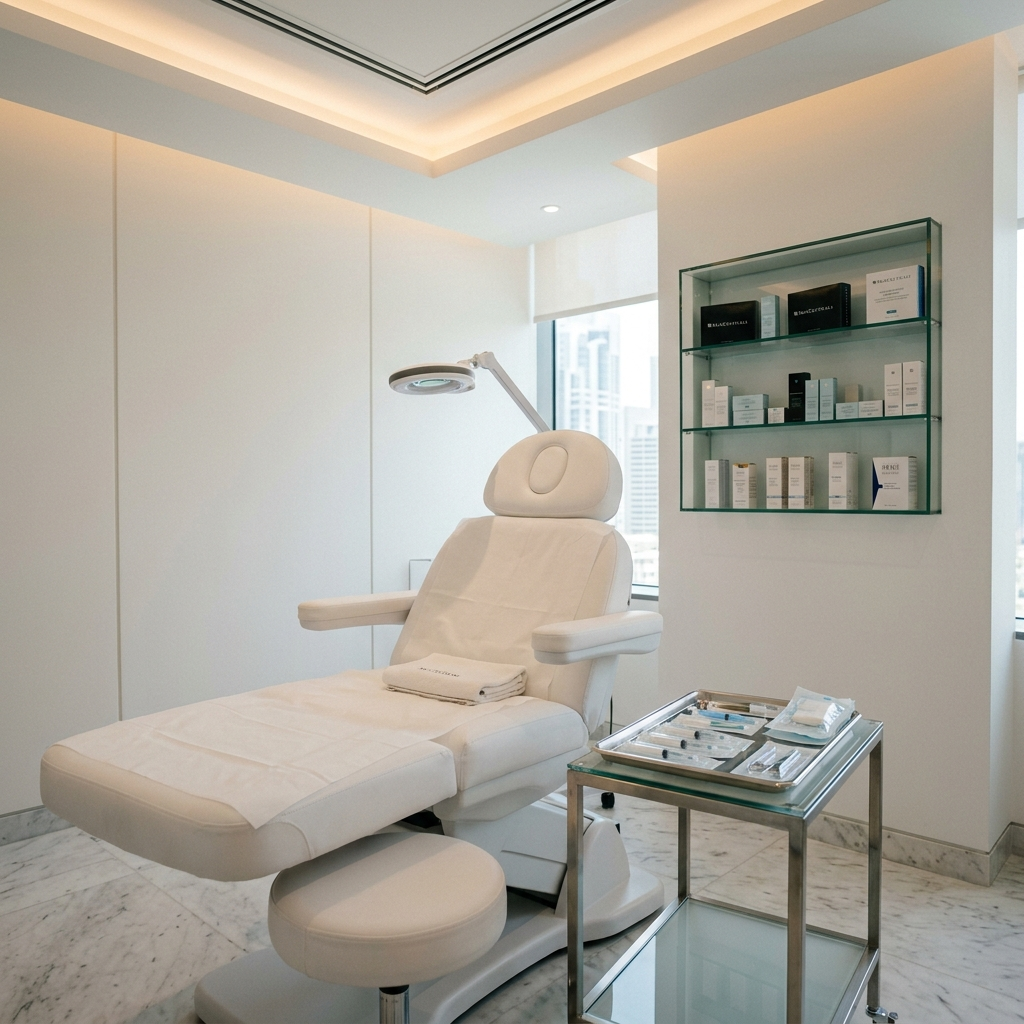

This is the booking gap. It is the single largest addressable revenue leak in most med spa businesses.
Treat any number without a nearby source or stated method as a planning assumption, then replace it with your own records.
Med spas do not usually lose clients to bad experiences. They lose them to time.
A client comes in for a Botox treatment. The result is excellent. They leave satisfied. Six months later, when the effects are wearing off and they are ready for their next session, they search Google. They find your med spa and three competitors. They call the one that answers first.
You lost a client you already had. Not because of quality. Not because of price. Because there was no system in place to reach them at the moment they were ready to book again.
I see this consistently during Front Door Audits. The med spa owner can account for her new client numbers, that data is visible. What she cannot see is how many previous clients booked their next treatment with a competitor. That number is invisible unless you pull it deliberately. When we pull it, it is almost always between 25 and 40 percent of the client base. Warm clients, already converted, already trusting, already through the door, gone to a competitor not because they wanted to switch, but because no one reached them first.
This is the booking gap. It is the single largest addressable revenue leak in most med spa businesses.
How the Booking Gap Forms
Most treatment categories in medical aesthetics have a natural cycle. Botox and Dysport typically last 3 to 4 months. Dermal fillers last 6 to 18 months depending on the product and area. Laser skin treatments are often recommended in series of 3 to 6 sessions at specific intervals. Chemical peels may be monthly during an active treatment phase.
When a client finishes a treatment, most med spas give a verbal "we recommend coming back in about four months" and leave it at that.
Four months later, the client notices in the mirror that the result has faded. They feel ready. They do not, however, immediately think of the specific practice they visited. They go to Google, Instagram, or a friend's recommendation.
The clients with the strongest habits specifically remember and prefer your practice and call back on their own. The clients who are happy but not habitual search the category again and end up wherever the search takes them.
This second group can be a meaningful share of the client base. They are not dissatisfied. They did not choose a competitor because the competitor was better. They chose the competitor because the competitor was visible at the moment of intent.
The Intent Window in Medical Aesthetics
The intent window is the period between when a client decides they are ready for their next treatment and when they commit to a specific provider.
In home services, this window is often 30 minutes or less, a homeowner with no air conditioning calls and books immediately.
In medical aesthetics, the intent window is longer but equally consequential. A client thinking about scheduling a follow-up treatment may spend 2 to 3 days comparing options before booking. During that window, they are reachable. After they book elsewhere, they are not.
For a med spa without an active outreach system, this window passes without the business ever entering the client's consideration set. The client makes their decision independently and the practice loses the rebooking.
For a med spa with a structured outreach system, the intent window is anticipated. The client receives a message at the right moment, timed to when the treatment cycle is likely completing, that brings the practice back into consideration before the client starts searching.
A simple post-treatment SMS sequence can bring previous clients back into the booking path before they start comparing providers again. Same client base. Same treatment quality. The difference is a reminder at the right moment with a direct path back to the practice.
The After-Hours Booking Problem
Med spa calls have a specific distribution problem. Clients who are researching treatment options and ready to book often do so outside business hours, evenings and weekends, when they have time to think about personal care without work interruptions.
Many med spa appointment requests arrive outside standard business hours because clients research treatments when they finally have time to think. For practices operating 9 to 6, Monday through Saturday, the after-hours call reaches voicemail.
The client who calls at 8:30 PM on a Thursday and reaches voicemail does not leave a message and wait. They open Instagram and book the practice running the ad they just saw. Or they call the practice with a "Book Now" button directly on their Google Business Profile.
Voicemail is not just a missed call. It is an active redirection of client intent to a competitor.
An AI intake system configured for a med spa answers the 8:30 PM call, confirms which treatments the client is interested in, collects their contact information and preferred scheduling window, and either books them directly or sends an immediate notification to the practice with a warm lead ready to convert the next morning.
The client gets an outcome. The practice gets the booking opportunity. The competitor gets fewer chances to intercept that intent.
What AI-Assisted Intake Looks Like for a Med Spa
The configuration for a med spa AI intake is different from a home service intake because the call types are different.
Home service intake is often urgent: the problem exists now and needs addressing quickly. Med spa intake is often consultative: the client is interested but may need some information before booking.
A well-configured med spa AI intake handles:
New client calls, collecting the treatment of interest, confirming the client is appropriate for an initial consultation, and booking or scheduling a callback from the clinical team.
Rebooking calls, identifying returning clients, confirming the treatment they had previously, and scheduling the follow-up.
Pricing inquiry calls, providing general range information for the treatment of interest and routing the caller to a consultation or online information, without quoting specific pricing that requires clinical assessment.
After-hours calls of all types, collecting the request with full intake details and either booking directly or ensuring the practice team has a complete, ready-to-act lead waiting when they open.
The AI does not replace the clinical consultation. It handles the administrative layer, the scheduling, the initial intake, the follow-up confirmation, that does not require clinical judgment.
The Retention Math for Med Spas
The financial case for closing the booking gap is most visible in the lifetime value differential between retained and lost clients.
A retained Botox client who books every 4 months: 3 visits per year at an average ticket of $650, producing $1,950 annually and $5,850 over 3 years.
A lost Botox client after the first visit: $650 in total lifetime revenue.
The difference between a retained client and a lost client: $5,200 over 3 years, from a single relationship.
For a med spa with 200 clients and a 35 percent retention loss rate, 70 clients per year are not returning. At $5,200 in lost lifetime value per client:
70 clients x $5,200 = $364,000 in revenue that will not materialize from clients who have already been through the door.
This is not revenue the med spa has to generate from scratch. These clients are already in the database. They already trust the practice. The system to reach them at the right moment is the only thing missing.
What to check before you choose a fix
Before buying another answering service, chatbot, phone tree, or AI receptionist, look at the actual path a Botox, filler, laser, consultation, pricing, or treatment-package lead takes when they reach your business. The first question is not whether the tool sounds impressive. The first question is whether the buyer gets a clear next step while they still care. In med spa operations, that usually means a fast answer, a useful question, a booked appointment or estimate path, and a follow-up record that does not rely on memory.
A strong system should make the business feel easier to choose. It should reduce the waiting, repeating, guessing, and manual chasing that make a buyer keep searching. If the current setup answers only during business hours, takes a message without qualifying intent, or leaves the follow-up to whoever remembers first, the problem is not only staffing. It is front-door design.
The week-one diagnostic
Run this review over the last seven days before making a decision. Pull the call log, website form submissions, chat history, booking calendar, CRM notes, missed-call list, and Google Business Profile activity. Do not start with opinions. Start with timestamps and outcomes. A small sample is enough to show whether the leak is response speed, qualification, booking friction, review weakness, or follow-up failure.
- Count every missed call and every call that lasted under 20 seconds. Those are often buyers who never became visible in the CRM.
- Count every form or chat that waited more than 10 minutes for a real next step. This is where high-intent demand starts cooling off.
- Mark every inquiry that needed a human callback before booking. That tells you whether the website is explaining the next step clearly enough.
- Review the last five reviews buyers can see publicly. Recency matters because buyers compare proof before they commit.
This is the source method for the article: use your own call log, CRM, booking calendar, form inbox, and Google Business Profile review activity. Public research can explain the pattern, but your own records show where money is escaping in this business.
Where the revenue usually leaks
The leak usually appears in one of four places. First, the buyer calls when the team is busy or closed. Second, the buyer reaches the business but is not qualified clearly enough to book. Third, the buyer receives a polite response but no firm next step. Fourth, the buyer finishes the job or visit but no review, referral, or reactivation path happens after the work is done. Each leak looks small by itself. Together, they decide whether marketing produces booked revenue or only more noise.
For a med spa, the most valuable fix is the one that protects consult booking, follow-up, no-show recovery, and review proof. This kind of intake system should be judged by business outcomes, not by novelty. A phone feature that sounds clever but does not improve booked appointments is not enough. A website widget that collects contact details but does not trigger follow-up is not enough. A review tool that asks once and disappears is not enough.
What a stronger system should do
A stronger front door answers quickly, asks the right questions, captures the reason for contact, separates urgent from routine demand, books when rules are clear, sends confirmations, updates the follow-up path, and asks for reviews after the work is done. The system should make the owner less dependent on heroic callbacks and make the buyer feel that the business is organized from the first touch.
The Quiet Protocol treats this as an operating system, not a single widget. Calls, web forms, missed-call text-back, appointment booking, CRM handoff, review requests, and reactivation all need to point in the same direction. When those pieces are connected, a med spa can capture more demand without turning the team into a bigger manual call center.
How to judge whether it is working
Do not judge the system by how futuristic it feels on day one. Judge it by what changes in the business. Useful measurements include missed-call recovery rate, average response time, booked appointment rate, no-show recovery, review request volume, review recency, reactivated past-customer conversations, and the number of leads that have a clear next action in the CRM.
The best early sign is calm. Fewer loose callbacks. Fewer mystery leads. Fewer buyers waiting for a reply. More conversations with a clear status. That is what good automation should feel like to the owner and to the customer.
More Med Spa Booking Questions
Is this just a 24/7 answering service?
No. A traditional answering service usually takes a message. A properly designed AI receptionist and front-door system captures intent, qualifies the buyer, routes the request, books when possible, triggers follow-up, and supports reviews after the work is done. Message-taking is coverage. Revenue capture is a fuller operating path.
What should a med spa fix first?
Fix the first place buyers disappear. For some businesses that is after-hours calls. For others it is slow website follow-up, weak booking logic, old leads, or stale reviews. The right first move comes from the seven-day diagnostic, not from guessing.
Will AI make the business feel less human?
Bad automation feels colder than a person. Good automation feels like the business is paying attention. It answers quickly, uses plain language, collects the right information, and hands the buyer to a human when judgment or empathy is needed. The goal is not to remove people. The goal is to stop making buyers wait for basic next steps.
How fast should we expect improvement?
The first lift should come from visibility and speed: fewer missed opportunities and cleaner routing. Deeper gains come after the system has enough real conversations to tune scripts, booking rules, follow-up timing, and review requests. Treat the first month as deployment and calibration, not a magic switch.
The loss estimate is basic business math, not a magic claim.
Revenue-leak examples on this site are built from visible operating inputs: inquiry volume, missed-call or slow-response rate, booking rate, average job or client value, repeat value, and follow-up recovery. The fastest way to make the number real is to run the diagnostic for your closest business type, then compare it against your own call log, CRM, booking calendar, form timestamps, and review activity.
The practical questions behind this decision.
Is this just a 24/7 answering service?
No. A traditional answering service usually takes a message. A properly designed AI receptionist and front-door system captures intent, qualifies the buyer, routes the request, books when possible, triggers follow-up, and supports reviews after the work is done. Message-taking is coverage. Revenue capture is a fuller operating path.
What should a med spa fix first?
Fix the first place buyers disappear. For some businesses that is after-hours calls. For others it is slow website follow-up, weak booking logic, old leads, or stale reviews. The right first move comes from the seven-day diagnostic, not from guessing.
Will AI make the business feel less human?
Bad automation feels colder than a person. Good automation feels like the business is paying attention. It answers quickly, uses plain language, collects the right information, and hands the buyer to a human when judgment or empathy is needed. The goal is not to remove people. The goal is to stop making buyers wait for basic next steps.
How fast should we expect improvement?
The first lift should come from visibility and speed: fewer missed opportunities and cleaner routing. Deeper gains come after the system has enough real conversations to tune scripts, booking rules, follow-up timing, and review requests. Treat the first month as deployment and calibration, not a magic switch.
Decide what the AI must handle before you choose the software.
A useful intake system begins with the caller journey, the rules, and the human handoff, not a long feature list.
Give the receptionist a realistic scenario and hear how it answers, gathers context, and moves the caller toward a useful next step.
See how the capability in this article fits into a complete customer journey.
Aesthetics & Med SpaSee the same decision through the language, buyer behavior, and operating reality of this industry.
Client Results & ProofInspect the starting condition, installation, measurement window, and outcome behind real client work.

The 5 Silent Signals Your Service Business Is Leaking Revenue Right Now
Five diagnostic signals that reveal how much revenue a service business is silently losing through operational gaps. Most service businesses losing six figures annually across these five channels have no idea the leak exists.
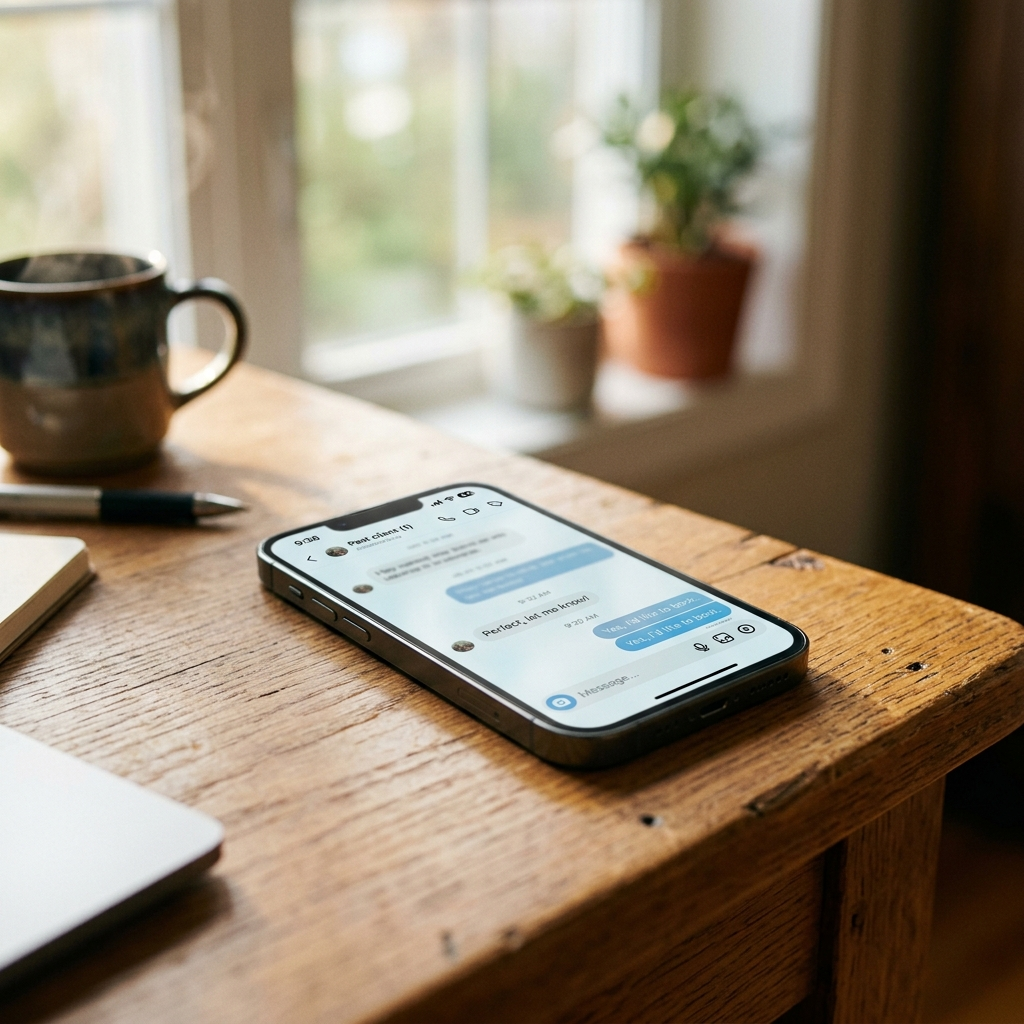
Dormant Customer Reactivation: Build a Safe First Cohort
Choose one verified customer group, offer one relevant next step, prepare the response path, and learn from completed outcomes before expanding outreach.

The 5-Minute Rule: Why Speed to Lead Determines Who Gets the Job in Service Businesses
Research shows leads contacted within 5 minutes convert at 21 times the rate of leads contacted after 30 minutes. Here is what that means for service businesses and how to close the gap.
Calculate the revenue leak.
Stop guessing. See how much demand your business may be losing through missed calls, slow replies, weak booking, review gaps, and follow-up drag, then decide whether Voice AI is the right system path.
Run the calculationPrefer to hear it first?
Call the live AI receptionist and test the conversation.
Call the live AI receptionist anytime. Tell it about aesthetics & med spa, then hear a short live roleplay based on the calls your front desk actually gets.