From $2,395 USDOne-time website implementation. Final scope follows review.
Design concept
FORMarchitecture
StudioWorkApproach
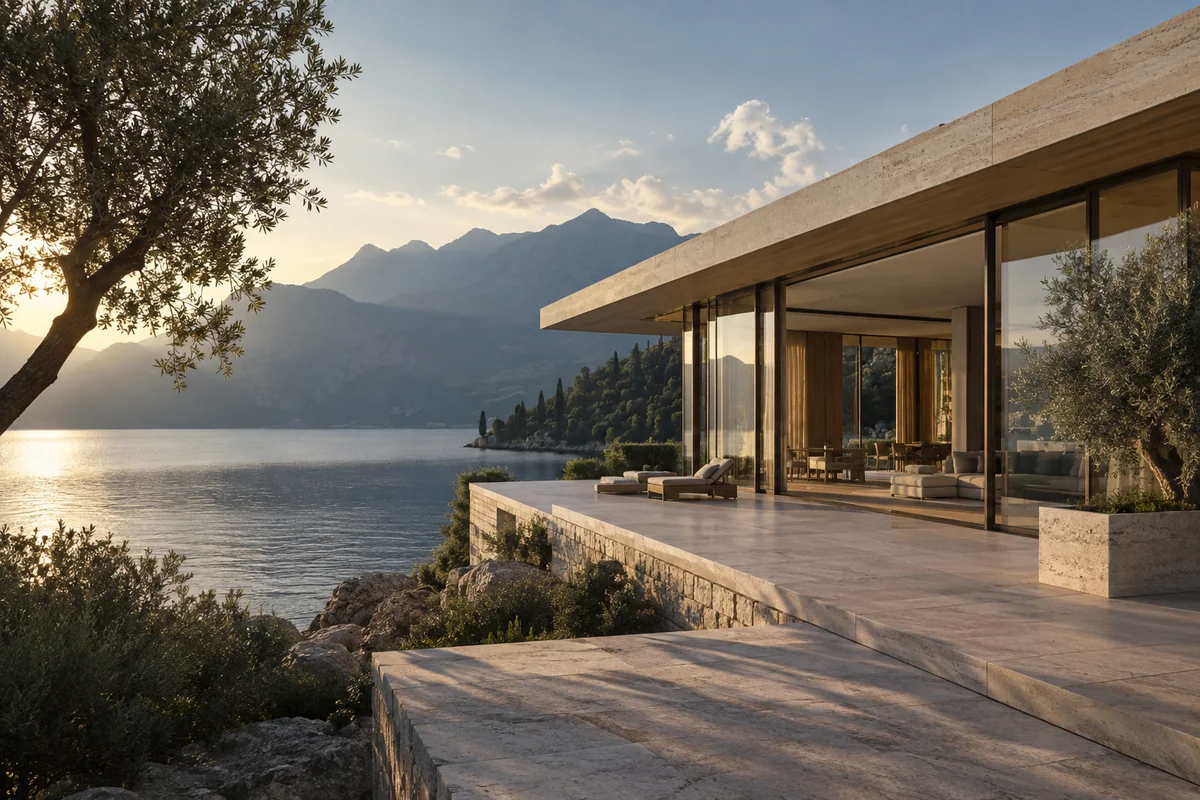
Spaces for a life well lived.
Thoughtful spaces. A more human way to live.
Start a conversation
One clear offer.One considered next step.
Design concept
FORMarchitecture
StudioWorkApproach
Spaces for a life well lived.
Thoughtful spaces. A more human way to live.
Start a conversation
One clear offer.One considered next step.
Illustrative design study · Architecture · Desktop & mobile
Design that builds trustMobile that feels naturalA clear next step
Your business has grown. Has your website?
You have become more capable. Your work is better, your offer is sharper, and the clients you want are more discerning. But the website still makes people work too hard to see it.
A good redesign closes that gap. It gives the business a credible visual presence, turns complicated services into clear choices, and helps the right visitor move forward. TQP brings those decisions together through strategy, design, content, and the practical handoff behind the inquiry.
Different businesses. Distinctly their own.
Premium web design should have a point of view. The pace, imagery, language, and layout should feel right for the people the business wants to reach.
Illustrative design studies. These are fictional brands demonstrating visual direction, not client projects or reported results.
Design concept
ALDERadvisory
ApproachServicesPerspectives
A clearer view of your next chapter.
A considered perspective for the decisions that matter.
Explore our approach
01Business direction
02A plan for growth
03Your next chapter
ALDERAdvisory · Conversion study
A composed visual voice for a complex decision. Clear service routes and considered proof help different buyers find their own way in.
Design concept
STILLwellbeing
Our careThe practiceVisit
Care that starts with listening.
A calm space. A thoughtful conversation. Care around you.
Find your next step
One clear offer.One considered next step.
STILLWellbeing · Smart study
Warmth, restraint, and one welcoming next step. The design gives a focused practice a clear, human presence without making the experience feel small.
These studies show how a design system can express different businesses. Your direction is developed around your brand, buyers, evidence, and approved scope. Photography, original identity work, and specialist assets are discussed as part of that scope.
The website should be as deep as the decision it must support.
Three levels of website capability. We recommend the right configuration after review, based on what the site needs to help a buyer understand, trust, and do next.
Select a level to preview
Clarity, beautifully expressed.
A focused website for a business with one primary offer or buyer journey. The design earns attention, the copy makes the fit clear, and the inquiry or booking path gives that attention somewhere useful to go.
A calm space. A thoughtful conversation. Care around you.
Find your next step
One clear offer.One considered next step.
Your offerWhy choose youOne next step
Design concept · Illustrative structure, not a client project or fixed page count.
What the investment changes
The investment goes into choosing what matters: a disciplined visual direction, the essential pages, clear service information, and one carefully designed next step. You are buying focus, not a less considered finish.
What reaches your team
A booked appointment arrives with a customer record and clear source.
More paths. One clear experience.
A richer website for businesses with several services, audiences, or reasons to get in touch. Each visitor can recognize their situation, find the relevant service, and understand what to do next without decoding your business.
A considered perspective for the decisions that matter.
Explore our approach
01Business direction
02A plan for growth
03Your next chapter
Choose a serviceExplore relevant proofGuided inquiry
Design concept · Illustrative structure, not a client project or fixed page count.
What the investment changes
The extra depth lives in the decisions: stronger positioning, service-specific content, more deliberate proof, and guided intake. The site organizes a more complex offer into a simpler experience for your customer.
What reaches your team
A better-qualified inquiry reaches the team with useful context already attached.
Expertise, made tangible.
An editorial website for firms whose expertise shapes the buying decision. Services, proof, useful answers, and a considered resource help a serious prospect understand how you think before they speak with you.
Deeper market positioning and proof
Broader service and expertise architecture
Flagship search and AI authority foundation
One lead magnet, buyer guide, or decision resource
Practical thinking for a more considered tomorrow.
Explore our expertise
01Business succession
02Planning for change
03A guide to your options
Ideas & perspectivesExpertise you can explore.
THE BUYER GUIDE
A useful starting point for a better conversation.
Explore expertiseRead perspectivesUse a buyer resourceStart an informed conversation
Design concept · Illustrative structure, not a client project or fixed page count.
What the investment changes
The deeper investment supports market positioning, broader expertise architecture, research-informed content, and one lead magnet, buyer guide, or decision resource. The specific pages, tool complexity, and technical work are agreed in the scope.
What reaches your team
The team receives a better-educated prospect with clearer intent and context.
Final scope and investment are confirmed after review. Website implementation is a one-time investment. Hosting, care, software, and ongoing work are agreed separately.
Your next customer may arrive between appointments, from a referral message, or while comparing services on a phone. They should be able to understand the offer and take the next step without pinching, hunting, or fighting the layout.
We design the mobile experience deliberately: readable type, useful image crops, a clear content order, comfortable controls, and forms that ask for relevant information. Desktop can be expansive. Mobile needs to be especially precise.
A reading order that fits the moment
Navigation and controls made for touch
Responsive imagery without unnecessary weight
Design concept
ALDERadvisory
ApproachServicesPerspectives
A clearer view of your next chapter.
A considered perspective for the decisions that matter.
Explore our approach
01Business direction
02A plan for growth
03Your next chapter
Design concept
STILLwellbeing
Our careThe practiceVisit
Care that starts with listening.
A calm space. A thoughtful conversation. Care around you.
Find your next step
One clear offer.One considered next step.
Illustrative mobile layouts · Adapted composition, consistent character.
A buyer’s perspective
“Is this the right fit for us?”
01Understand the offer
02Find the relevant service
03See a reason to trust
04Take a useful next step
Make the business easier to understand and choose.
Before screens are designed, we decide what the right buyer needs to see, believe, and do. That gives every page a clear commercial purpose before visual decisions begin.
Position the real business, not a generic category
A polished website cannot compensate for a vague offer. We start by clarifying who the business serves, what it helps them accomplish, and why a serious buyer should keep reading. The language needs to sound like the company at its best while remaining easy for a first-time visitor to grasp.
That work shapes the headline, service descriptions, proof, and calls to action. A focused firm may need one strong promise and one route to a conversation. A multi-service business may need distinct messages for different needs. The goal is not a clever slogan. It is a position that gives design and copy something meaningful to express.
Build the pages around buyer decisions
Website architecture is the sequence of decisions behind the navigation. We map what visitors need to learn first, where their questions diverge, and which action makes sense at each point. A homeowner comparing two services, for example, should not have to decode an internal department structure to find the right path.
The number of services, audiences, locations, and decision paths directly affects scope. Smart is designed for a focused journey. Conversion adds room for several services and guided paths. Authority supports broader expertise and deeper research. In every case, the structure should feel simple to the visitor because the difficult organizing work happened before the build.
Turn proof and copy into useful answers
Buyers rarely need more marketing adjectives. They need evidence and answers: what the service covers, who it fits, how the process works, what changes the investment, and what happens after they inquire. We organize approved credentials, work examples, customer evidence, operating details, and common objections around those real questions.
Copy depth changes by website level. A focused build covers the essential decision. A Conversion Website develops service-specific journeys and stronger proof. An Authority Website creates a broader knowledge structure and one substantial buyer resource. TQP does not invent claims to fill a layout. When evidence is limited, the design creates clarity and confidence without pretending the business has proof it cannot support.
AaAa
Character in the headline. Clarity in every word.
Create a website that looks considered in every detail.
The visual experience should reflect the quality of the business. Type, colour, imagery, movement, and spacing work together to make the right impression with confidence on every screen.
Give the brand a deliberate visual direction
Professional website design begins with judgment, not decoration. We establish a visual direction that fits the business, the audience, and the buying moment. A trusted advisory firm should not feel like a trendy consumer app. A specialized contractor should not look interchangeable with every local template site.
The design system covers typography, colour, image treatment, interface elements, and the rhythm between sections. Existing brand assets are evaluated rather than discarded automatically. When the brand is sound, the website gives it more range and discipline. When important pieces are missing, the proposal identifies what must be created or separately scoped. The result is a coherent digital expression, with the level of original visual exploration matched to the selected website system.
Design the phone experience as carefully as desktop
A responsive website is more than a desktop layout squeezed into a narrow column. We decide how headlines wrap, images crop, navigation opens, comparisons simplify, and calls to action remain easy to use on smaller screens. Content order can change when a phone visitor needs a quicker answer or a more direct route to contact.
We review the experience across representative phone, tablet, laptop, and wide-screen sizes. The aim is consistent clarity, not identical composition. A layered desktop moment may become a focused sequence on mobile. A large comparison may become selectable details. This work is part of the design and build, because a premium impression disappears quickly when the mobile version feels like an afterthought.
Use motion, speed, and interaction with restraint
Movement should explain, orient, or reward attention. It should not make a service website harder to read. We use interaction where it improves a decision, such as comparing website levels, revealing supporting detail, or showing how an inquiry moves into the business. Reduced-motion preferences and keyboard use are considered for interactive elements.
Performance is also a design decision. Heavy media, third-party scripts, fonts, and complex effects can change how quickly a page becomes useful. We make those tradeoffs visibly during scope and production, then test the approved build before launch. Formal accessibility audits, unusually demanding performance targets, or remediation of third-party tools may require additional scope. The base experience is built for legibility, responsiveness, and practical use.
Clear answers. Connected knowledge.
Business factsServicesUseful answersCredible proof
Discover Understand Choose
Clarity supports discovery. Rankings and AI citations are never guaranteed.
Give useful pages a sound foundation for being found.
Search visibility starts with a clear business, a crawlable structure, and pages that answer real questions. The depth grows with the website system selected and with practical editorial discipline.
Put the technical search fundamentals in place
Every website system includes a technical search foundation appropriate to its scope. That means clear page topics, useful titles and descriptions, sensible headings, internal links, crawlable content, and consistent business facts. Redirects and existing page equity are considered when a redesign replaces an older site.
These fundamentals help search systems understand the website, but they do not guarantee rankings. Competition, reputation, content depth, location relevance, demand, and changes outside the website all matter. Larger search programs may require ongoing research and publishing beyond the initial build. The practical promise is a website that is structured responsibly from launch, with no need to undo basic architecture before future search work can begin.
Write answers people and AI systems can understand
Prospects increasingly ask complete questions instead of typing short keywords. They want to know who a service is for, how options differ, what the process involves, and which choice fits their situation. Clear, specific answers improve the experience for people and give search and AI systems better material to interpret.
We organize approved business facts, service explanations, comparisons, and frequently asked questions in straightforward language. The Authority level goes deeper with a broader expertise structure and a flagship foundation for search and AI discovery. This is disciplined information design, not a promise that a platform will quote, cite, or rank the business. Visibility still depends on the quality, relevance, evidence, and continuing development of the source material.
Create a publishing foundation that can keep earning value
A website becomes more useful when it can accommodate new services, proof, insights, and buyer questions without losing its structure. We decide which content types matter now and which are likely to matter next. The editing and publishing approach is confirmed around the chosen platform, team, and ongoing care arrangement.
A Smart Website keeps the foundation focused. Conversion supports deeper service and decision content. Authority adds broader expertise architecture plus one lead magnet, buyer guide, or decision resource selected for a real buyer need. Continuing articles, location expansion, tools, research, and campaigns are separate decisions. That boundary protects quality: one useful, well-supported resource is more valuable than a large collection of thin pages produced only to make the site look busy.
An illustrative inquiry journey
I’m interested inA plan for my business
What would help next?A conversation with context
The right questions. A more useful beginning.
Connect interest to the next useful business action.
The website should help a good prospect move forward and help the team understand what happens next. Connection depth is shaped around the actual customer journey without losing the original context.
Replace the generic contact dead end
A strong call to action is specific to the visitor's intent. Someone ready to schedule may need a booking path. Someone choosing among services may need a few useful intake questions first. Someone considering a complex engagement may need a conversation with enough context attached to make it productive.
The Smart Website System includes one clear inquiry or booking path. Conversion supports guided intake across several services or buyer routes. Authority can educate a prospect through deeper proof and decision content before the handoff. The aim is not to make every form longer. It is to ask only what helps the customer move correctly and helps the business respond without making people repeat information unnecessarily.
Connect only the systems the journey needs
The website can connect to booking, customer records, follow-up, analytics, and other approved business systems when the scope calls for it. We first identify what information should move, where it should go, and what a person must do when it arrives. That keeps the connection tied to a real operating need.
Integration work varies widely. A standard booking path is different from a custom handoff across several departments, locations, or existing systems. Compatibility, permissions, data requirements, third-party costs, and testing can all affect scope. TQP confirms the connection plan before promising a specific implementation. Access to software does not mean every available workflow is installed or operated. The proposal names the configuration and continuing responsibility included.
Build a foundation that can evolve without guessing
Growth rarely follows a perfect plan. A business adds a service, enters a market, gathers stronger proof, or discovers that buyers need a different explanation. Good architecture makes those changes easier to evaluate because the website already has a clear hierarchy and a defined next-step system.
We use agreed analytics and operating feedback to understand how the launched experience is being used. New landing pages, campaigns, resources, locations, integrations, and conversion experiments are scoped when there is a clear reason to add them. The initial engagement creates the approved foundation. It does not include unlimited future production. That distinction gives the business a dependable asset today and a sensible way to invest in the next improvement when evidence supports it.
Beauty is the beginning.
The customer sees a thoughtful website. Behind it, the business needs to know what should happen when someone raises their hand.
That may mean a focused inquiry, a booking path, or guided intake that captures the context your team actually needs. Where the approved scope calls for it, the website can connect to customer records, follow-up, content, and measurement.
We start with the journey and confirm the connections. A more expensive website does not automatically require every available tool, and a software subscription does not mean every workflow has been implemented.
W
Your website
The place interest becomes intent.
Inquiry & intakeUnderstand the request
BookingOffer an appropriate next step
Customer recordsKeep useful context
Follow-upContinue the conversation
ContentAnswer the next question
AnalyticsSee how the journey is used
Connection possibilities. The approved scope names the systems and workflows implemented.
A useful website carries understanding into action.
The work is not finished when a page looks credible. The website should help the right buyer understand the business, choose the right path, and enter the next system with context intact.
The buyer quickly understands what the business does and who it helps.
Focused positioning, plain-language services, and structured business facts make the offer easier for people, search engines, and AI discovery systems to interpret.
The right buyer can self-identify sooner.
The buyer quickly understands what the business does and who it helps.
Focused positioning, plain-language services, and structured business facts make the offer easier for people, search engines, and AI discovery systems to interpret.
The right buyer can self-identify sooner.
Keep useful context. Lose unnecessary friction.
A customer should not have to explain the same request three times. A team should not have to guess which service, location, or next step an inquiry belongs to. The website is where that clarity can begin.
Every level deserves a beautiful, responsive finish. The difference is how much the website needs to explain, how many decisions it must support, and how deeply it develops your expertise.
Compare all three levels below. On a narrow screen, scroll the table horizontally.
Website Systems scope comparison. Starting investments in USD.
The work
SmartFrom $2,395 USD
ConversionFrom $4,995 USD
AuthorityFrom $7,975 USD
Design & mobile
Premium, focused visual experience
Custom visual direction across richer journeys
A coherent editorial system across deeper expertise
Positioning & copy
Make the main offer and next step clear
Explain several services and buying situations
Develop deeper market positioning and expertise
Page architecture
Essential pages for a focused buyer journey
Expanded service and decision pathways
Broader service, expertise, proof, and resource structure
Inquiry & booking
One clear inquiry or booking path
Guided intake across relevant services
An informed handoff after deeper buyer education
Proof & answers
Relevant evidence for the essential decision
Stronger proof and service-specific answers
Deeper proof and research-informed buyer content
Search foundation
Clear topics, structure, and business facts
More complete service and decision coverage
Flagship SEO, AEO, GEO, and authority foundation
Publishing depth
Agreed core content and editing needs
A richer foundation for service content
Expertise architecture designed to keep expanding
Buyer resources
Additional resources scoped separately
Additional resources scoped separately
One lead magnet, buyer guide, or decision resource
Technical work
Build and test the focused experience
Build and test more varied buyer journeys
Deeper content and technical implementation within scope
Choose the depth of the decision.
Page count alone is a poor way to compare website value. Two businesses can need the same number of pages and very different strategy, writing, design, and technical work. The review identifies what your customers must understand and what your team can support, then recommends a proportionate scope.
The one-time engagement covers the strategy and implementation named in the approved website level: positioning, page architecture, responsive design, conversion copy, proof structure, essential search foundations, and the agreed inquiry, intake, or booking path. The proposal lists the pages, content depth, migration work, integrations, and launch tasks so the price connects to a concrete deliverable. Material assumptions are confirmed before production starts.
What continues after launch
Hosting, technical care, connected Platform Foundation or AI Business OS, usage, and ongoing change responsibility are recurring decisions separate from the one-time build. Authority normally points toward Core Protocol, while an eligible existing stack can be reviewed. The written recommendation confirms the operating layer, services, fees, and exact work TQP maintains rather than treating a software subscription as unlimited implementation. Applicable communication and AI usage charges remain separate.
What your team provides
The client provides accurate business information, approved claims, brand assets, policies, account access, subject-matter input, and timely decisions. TQP guides discovery, shapes the copy, and turns that material into a coherent website. Your team remains responsible for factual approval and for identifying legal, regulatory, privacy, or accessibility obligations that require specialist review. One accountable project lead keeps feedback and approvals clear. We record decisions against the approved material as work progresses.
What is scoped separately
New campaigns, ongoing articles, additional buyer resources, multiple tools, extra locations, multilingual programs, complex migrations, unusual integrations, custom applications, paid media, formal compliance work, and open-ended design changes sit outside the standard build unless listed. Authority includes one approved lead magnet, buyer guide, or decision resource. Additional work is defined around a real business need, with its own responsibilities and investment. If it affects launch, it appears in writing.
For the commercial structure, see investment. For the connected operating layer, see Platform Foundation & AI Business OS. Applicable phone, messaging, AI, media, and third-party consumption remain separate from website implementation.
A considered process. A confident launch.
You should know what is being decided, what your team needs to provide, and what comes next. The sequence gives the work a clear shape; the schedule follows the actual scope.
01
Discover
We review the business, audience, offers, current website, brand material, proof, and customer journey. The conversation surfaces what is already working, where visitors lose clarity, and which business action the new site must support. We also identify migration, platform, content, and connection questions that can change scope.
Outcome: a shared definition of the website's job, audience, evidence, and practical constraints.
02
Architect
We turn the discovery into a page and decision structure. This includes the navigation, service paths, content priorities, proof placement, and inquiry or booking journey. We choose what deserves a page, what belongs inside a page, and what can wait, so the experience feels complete without becoming needlessly large.
Outcome: an approved direction for structure, content depth, key journeys, and connected handoffs.
03
Design & build
We develop the visual direction, responsive layouts, copy, content system, and agreed interactions. The design is tested against real page content rather than a decorative homepage alone. As the build takes shape, we resolve how each component behaves across screens and how the website connects to the approved next-step path.
Outcome: a working website experience that expresses the brand and supports the defined buyer decision.
04
Review & refine
You review the assembled experience with enough context to judge it properly. We gather feedback against the approved direction, refine the details, and test the pages, forms, links, responsive behavior, and essential search setup. Content or functionality that expands the approved job is identified clearly before it becomes additional work.
Outcome: an approved launch candidate with the agreed details and journeys checked in context.
05
Launch
We prepare the approved website for release, complete the planned transition, and verify the live experience. The launch plan reflects the chosen platform, domain, migration, analytics, and connected systems. Ongoing hosting, care, software, content, and improvement responsibilities follow the written recommendation rather than being assumed from the build price.
Outcome: a live website with clear ownership, operating boundaries, and a foundation for what comes next.
The work on this page demonstrates design thinking through illustrative concepts. It is not a collection of client results. When evaluating a website partner, look beyond attractive screens to the decisions behind them: the content, mobile behavior, evidence, ownership, and next-step journey.
When nearby customers need your services, Local Search & Maps Visibility can help maintain the public profiles and business information that lead them to your website.
TQP publishes starting prices for Smart, Conversion, and Authority Website Systems on this page. The final investment depends on the level selected and the approved work within it. Services, buyer journeys, content depth, migration, locations, integrations, unusual functionality, and existing brand or technical constraints can change scope. Hosting, care, connected software, usage, and separately commissioned growth work are identified apart from the one-time implementation price.
What changes between Smart, Conversion, and Authority?
The main difference is the depth of the buying decision. Smart supports a focused business with one primary offer or next step. Conversion supports several services, buyer types, stronger proof, and guided intake paths. Authority supports firms that need broader expertise architecture, deeper market positioning, and a flagship discovery foundation. Authority also includes one lead magnet, buyer guide, or decision resource. The distinction is not simply the number of pages.
Is the website custom designed?
Every build is shaped around the approved business position, content, buyer journey, and brand context. The amount of original visual exploration and the breadth of the design system increase with the scope. Smart delivers a premium focused experience; Conversion adds custom visual direction and more varied service journeys; Authority extends the system across deeper expertise and content. We explain what will be designed, adapted, or licensed in the proposal so the term custom is concrete.
Do I need to replace my current website?
Not automatically. We review whether the present website can support the positioning, proof, structure, mobile experience, content, and connected next steps the business needs. A focused improvement may preserve useful search equity, content, or technology. Replacement makes sense when the existing foundation blocks the required experience or costs more to repair than rebuild. The recommendation explains what should stay, what should change, and why.
Can you migrate content from my existing site?
Migration is confirmed after we inspect the current platform, content quality, page inventory, media, URLs, and any search value worth preserving. Some material can move with light editing. Other content needs restructuring, rewriting, or removal because it no longer reflects the business. Redirect planning and technical transition are included when named in scope. Large archives, complex data, member areas, stores, or difficult platform exports may require separate migration work.
How long will the website take?
The schedule is set after scope because a focused site and a broad authority platform do not require the same work. Timing depends on content depth, decision makers, feedback availability, migration, integrations, brand readiness, and any specialized functionality. The proposal sets the working sequence and responsibilities before production begins. Fast client decisions and complete source material help the work move; unresolved positioning or late additions change the plan.
What do you need from our team?
We need access to the people who understand the offer, customers, proof, and operating reality. Your team supplies accurate business information, approved brand assets, credentials, policies, service details, and timely decisions. We will guide the questions and shape the material, but we cannot approve claims or invent expertise on your behalf. One accountable client lead usually makes feedback clearer and prevents conflicting direction from delaying the work.
Do you write the website copy?
Positioning and conversion copy are part of the website systems at the depth described for each level. We turn approved business knowledge into clear page language, service paths, proof, and calls to action. The client remains responsible for factual accuracy and final approval. Extensive research, technical subject-matter development, multilingual content, large archives, continuing articles, or content that requires regulated review may need additional scope and specialist input.
Will the website work well on mobile?
Responsive design and build are part of every Website System. We consider content order, navigation, typography, images, calls to action, forms, and interactive elements at representative phone, tablet, and desktop sizes. The mobile layout may simplify or reorder a desktop composition so the task remains clear. Behavior inside third-party embeds and tools depends on those services, so any critical external experience is reviewed during scope and testing.
Which platform or CMS will you use?
The platform is chosen during scope around the approved experience, publishing needs, existing technology, integrations, and operating plan. We do not promise one universal CMS before understanding the job. If keeping an existing stack is practical, that option can be assessed, particularly for an Authority engagement. The proposal identifies the platform, editing model, licensed components, hosting arrangement, and transition responsibilities before the build is approved.
Will we be able to update the site ourselves?
Editing needs are discussed before the platform and content model are confirmed. We identify which items your team expects to change, such as staff, services, articles, proof, or basic business details, and design the publishing approach around that reality. Some visual or structural changes are safer as managed work. The proposal clarifies what your team can edit, what training or guidance is included, and what changes remain a care or development request.
Are hosting and maintenance included in the build price?
The published website price covers the approved one-time strategy and implementation. Hosting, technical care, connected software, and ongoing change responsibility are recurring decisions shown separately. The recommendation names what is required for the selected website and what TQP will maintain. Third-party subscriptions and usage can also be separate. This gives you a clear view of launch investment and continuing operating cost before work begins.
Is SEO included?
Every level includes an appropriate search foundation: clear topics, crawlable content, page metadata, headings, internal structure, and accurate business information. Conversion adds deeper service and buyer answers. Authority adds broader expertise architecture and a flagship SEO, AEO, GEO, and authority foundation. No responsible website build can guarantee rankings, traffic, citations, or leads. Continuing research, publishing, link development, local work, and competitive programs are scoped separately when needed.
Can the website connect to our booking, CRM, or forms?
It can connect to approved next-step systems when compatibility and scope are confirmed. We define which information should be collected, where it should go, and who handles it after arrival. A standard booking or inquiry path differs from custom routing across teams, locations, and software. Existing accounts, permissions, technical limitations, subscriptions, and testing requirements affect the recommendation. Specific integrations are named in writing rather than assumed from general platform access.
Can you build landing pages for future campaigns?
The initial website includes the pages and journeys approved for launch. Future landing pages can be added when the campaign, audience, offer, evidence, and follow-up path are clear. They are not an unlimited inclusion in the original build. Planning them separately protects the core site from becoming a collection of disconnected pages and makes responsibility for copy, media, forms, measurement, and campaign traffic explicit.
What do we own when the project is complete?
You own your approved website content and brand assets. The written agreement identifies the treatment of design and build deliverables, licensed fonts, imagery, components, software access, domain control, and third-party services. Those details can differ by platform and asset source, so we document them before work begins. The agreement also explains transition responsibilities if the operating arrangement changes later.
What support is available after launch?
The proposal separates launch work from continuing responsibility. Depending on the approved arrangement, recurring work may cover hosting, technical care, software access, and maintenance of named intake or booking paths. New services, campaigns, resources, integrations, redesigns, and open-ended content production are separate. When an issue involves a third-party service or client-managed system, we identify who owns the next action instead of implying universal support.
Can the website grow with the business?
Yes, when growth is planned as a structured extension. The architecture can make room for new services, proof, expertise, and buyer paths without publishing everything on day one. The right foundation depends on what is realistically next. New locations, languages, large resource libraries, tools, campaigns, or system connections still require design, content, and testing. A scalable foundation reduces avoidable rework; it does not make future production unlimited or automatic.
How do I know which website level fits?
Start with the decision your customer must make. Choose Smart when the offer and next step are focused. Consider Conversion when visitors need to choose among services, audiences, or intake routes. Consider Authority when expertise, proof, education, and market trust carry substantial weight before contact. The Website Systems Review also considers current content, growth plans, search opportunity, integrations, and operating capacity before recommending the level.
What if we only need a simple informational website?
A connected Website System may be more than the business needs. If the job is a clear informational presence with straightforward hosting and care, TQP has a separate Essential Website path. It does not carry the same positioning, guided intake, platform connection, or authority depth described here. The review should identify the lightest credible solution rather than adding complexity that the customer journey and team will not use.
How do you handle accessibility?
We design for practical use through readable hierarchy, contrast, responsive layouts, labelled controls, keyboard-aware interaction, useful alternative text, and reduced-motion consideration where applicable. Accessibility requirements can vary with the organization, audience, jurisdiction, content, and third-party tools. If the engagement requires a formal audit, specific conformance target, documentation, or remediation of an existing product, that work must be identified and scoped. We do not make a blanket compliance guarantee.
What happens to our domain, analytics, and security setup?
We review the domain, analytics, hosting, certificates, access, and launch dependencies that apply to the selected platform. The proposal identifies which accounts the client controls, which access TQP needs, and which services remain third-party responsibilities. We plan the transition so measurement and essential settings are addressed in the approved launch scope. Specialized security, privacy, consent, or regulatory requirements require explicit review and may need separate expertise.
Make your website worthy of your business.
Let’s look at where you are, what your buyers need, and what the next version of your website should make possible.